



Best Warp Knitting Machine for Automotive Textiles: 3-Bar Tricot For Stable Output

Choosing the Best Warp Knitting Machine for Automotive Textiles is rarely about “just buying a machine.” They are about choosing stable fabric quality, predictable output, and a process your team can run every day without constant adjustment. In automotive textiles, small defects can become big problems later. That is why many buyers start with one practical question: should a 3-bar tricot solution be the foundation of the line?
At Grand Star, we build tricot warp knitting systems for manufacturers that supply automotive interiors and technical textile applications. This guide explains what a 3-guide-bar tricot knitting machine does, how it supports common automotive textile needs, and what to check before you invest.
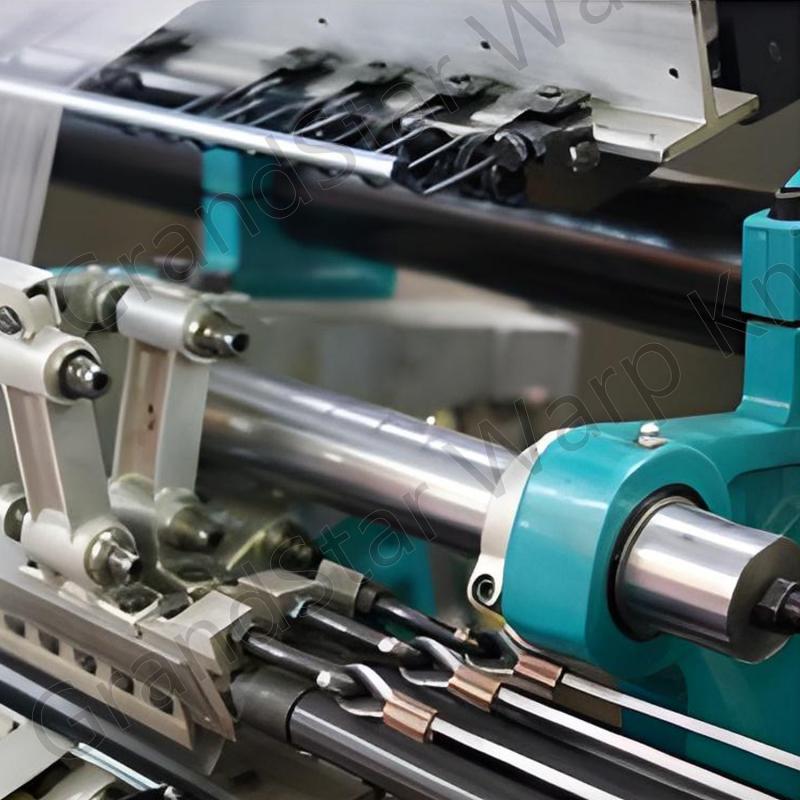
What Automotive Textiles Demand From a Tricot Machine
Automotive textile production is stricter than many general apparel markets. Materials may be used in seat structures, door trims, headliners, laminated composites, or protective layers. Even when the fabric is not visible, it still has to behave consistently.
When you are looking for the Best Warp Knitting Machine for Automotive Textiles, focus on three outcomes:
✅ Repeatable fabric geometry so laminating and cutting stay stable
✅ Controlled surface feel to support bonding, coating, or foam lamination
✅ Quality monitoring to reduce rework and material waste
A 3-bar tricot structure is often chosen because it balances pattern flexibility with mechanical stability. It is a practical entry point for automotive-focused warp knitting, especially for teams that want clear, repeatable control rather than highly complex multibar structures.
3–Bar Tricot: Designed for Stability and Choice
With 3 bars, tricot structures deliver pattern options, uptime, and repeatability—no over-engineering required. In simple terms, guide bars control yarn movement, which controls fabric formation. With three bars, you can build more functional textile structures than basic two-bar designs, while keeping setup and production more manageable.
This matters in automotive textiles because many fabrics are not selected for “fashion.” They are selected for performance and consistency.
A 3-bar approach helps you handle pattern and surface requirements more effectively:
✅ Pattern options for different structures and texture targets
✅ Surface roughness control to support adhesion in laminated products
✅ Balanced production stability for long runs and repeat orders
If your goal is a reliable base fabric that feeds downstream steps smoothly—such as coating, laminating, or composite building—this structure is often a smart and scalable choice.
Advanced Needle System: Turning Stitch Control Into Real Fabric Benefits
Needles do not just “make loops.” Needle design affects loop stability, fabric hand feel, and how well the fabric holds shape during finishing. Grand Star uses an advanced needle bar arrangement with compound needles to support stable fabric formation and better stitch control.
For automotive textile producers, this is not a technical detail—it is a cost and quality lever. Better stitch control helps you deliver consistent texture, which helps downstream processes behave the same way from batch to batch.
Here is what that means in practical terms when you evaluate the Best Warp Knitting Machine for Automotive Textiles:
✅ More consistent texture across large lots, which supports consistent lamination results
✅ Cleaner fabric formation that helps reduce “surprise defects” seen after finishing
✅ Better process repeatability when you need to match an approved sample over time
If you are supplying to automotive-related tiers, repeatability is often as important as speed. A stable needle and stitch system helps you build that repeatability into the fabric itself.
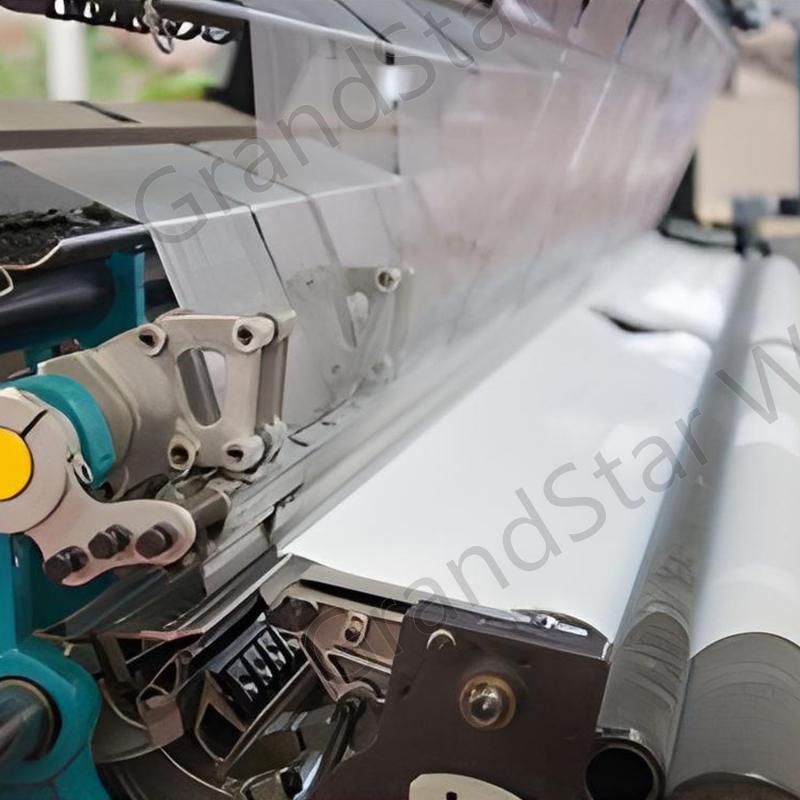
Guide Bars and Shogging: Pattern Flexibility Without Production Chaos
In tricot warp knitting, guide bars direct yarn paths. Shogging is the controlled lateral movement that shapes how yarns overlap and lock into the structure. Grand Star’s tricot system is designed for high selective control of fabric patterns, with guide bars that can slide defined distances to create different patterns and surface characteristics.
For beginners, think of it like this: the guide bars “draw” how the yarn will travel. With controlled shogging, you can create textiles that feel different, behave differently, and bond differently—even if the raw yarn is the same.
In automotive textiles, the value is clear:
✅ More design room for structures that match different application requirements
✅ Surface engineering to support coating, foam bonding, or adhesive lamination
✅ Faster development cycles because pattern control is more direct and predictable
A 3-bar platform gives you enough pattern control to build functional variation, without pushing your team into overly complex settings that slow training and ramp-up.
Electronic Take-Up, Variable Let-Off, and Monitoring: Keeping Quality Stable
Tension is one of the most common hidden causes of uneven fabric. If tension changes, fabric geometry changes. That can lead to unacceptable contours, unstable bonding, and higher scrap rates during finishing.
Grand Star uses an electronically controlled fabric take-up for strong tension control through the process. On the yarn side, the let-off device is variable with each warp beam, helping yarn tension stay accurate across the knitting cycle. This type of control helps prevent fabric contours that do not match your target specification.
Quality control also needs to be proactive, not reactive. That is why we integrate Laserstop and camera monitoring into the machine for real-time quality observation. When the system detects a problem early, you reduce the chance of producing a long roll that must be downgraded or discarded.
Practical outcomes for buyers looking for the Best Warp Knitting Machine for Automotive Textiles include:
✅ More stable fabric appearance and geometry during long runs
✅ Less material waste because issues are identified and addressed faster
✅ More consistent output quality for downstream converting and finishing
This combination—tension control plus monitoring—supports a more predictable production line. And predictability is a key competitive advantage in automotive supply chains.
COMMAND HMI, Training, and Service: Making Performance Easier To Use
Even a strong machine design can fail in real factories if the interface is hard to run or the support is weak. That is why Grand Star focuses on usability, training, and after-sales coverage as part of the product package.
Our GrandStar® COMMAND SYSTEM is an advanced HMI designed for simple and accessible control of electronic features and settings. It supports automation and easier setup, which helps reduce reliance on a single “expert operator.”
We also build energy efficiency into operation with a speed-regulated drive system, designed to support better energy performance while maintaining operational output. For factories managing energy costs and sustainability goals, this can be a practical step toward lower operating pressure.
Finally, automotive textile buyers often ask the same question: “Can we get support where we operate?” Grand Star provides installation guidance and training through manuals and service structures, plus after-sales coverage across multiple regions:
✅ Local Service available in Turkey, India, Vietnam, Indonesia, and the USA
✅ Real-time online support as the first response in regions without local teams
✅ Engineer dispatch for hands-on support when required
CTA: If you are comparing options for the Best Warp Knitting Machine for Automotive Textiles, talk with Grand Star about your target fabric, yarn type, and downstream process (lamination, coating, composites). We can recommend a 3-bar tricot configuration, share practical setup guidance, and outline training and service support for your region—so your line starts strong and stays stable.

Hey, I’m Vincent!
Solving complex challenges with precision and creativity in the warp knitting industry. Passionate about advancing textile engineering and turning innovative ideas into reality. Shaping the future of warp knitting.


