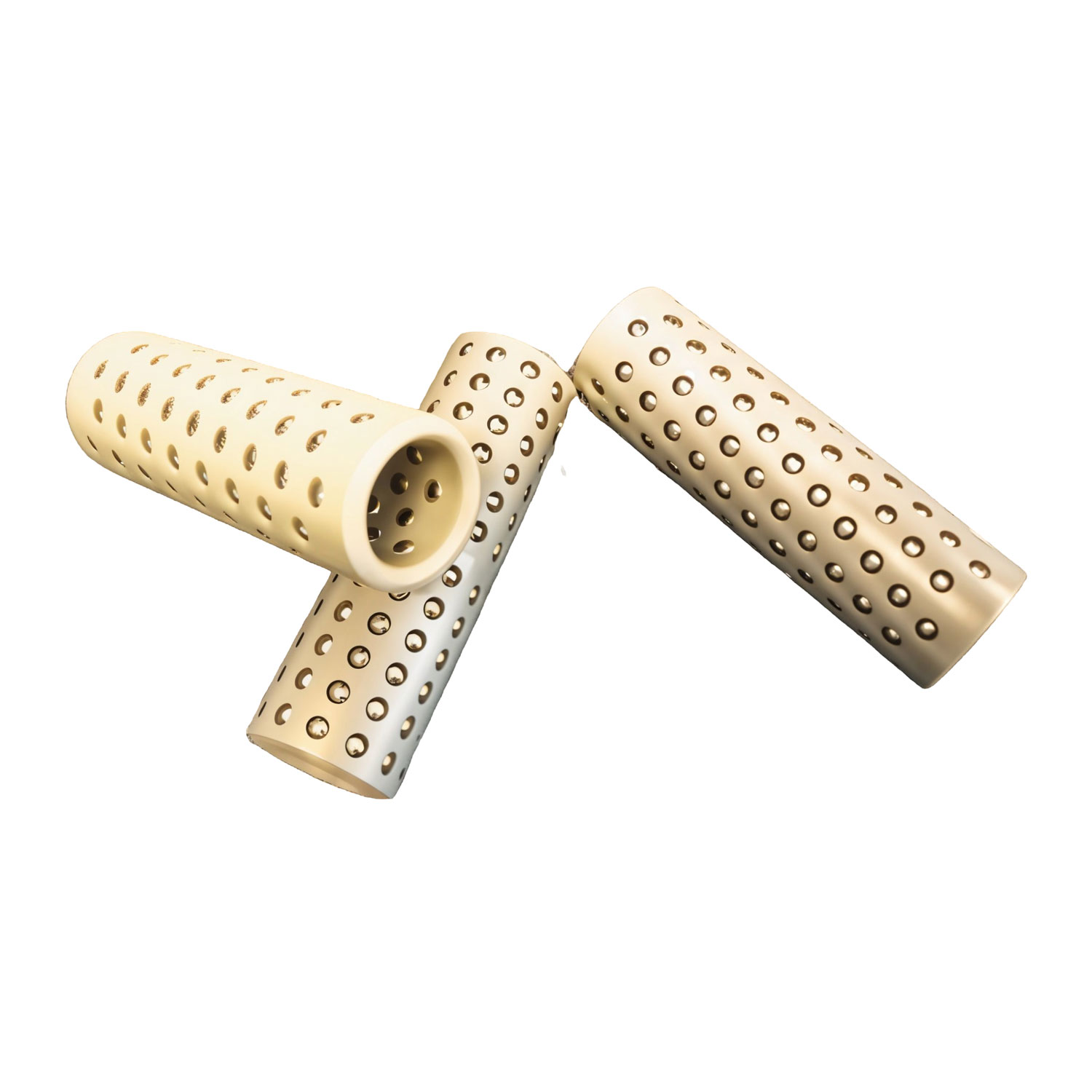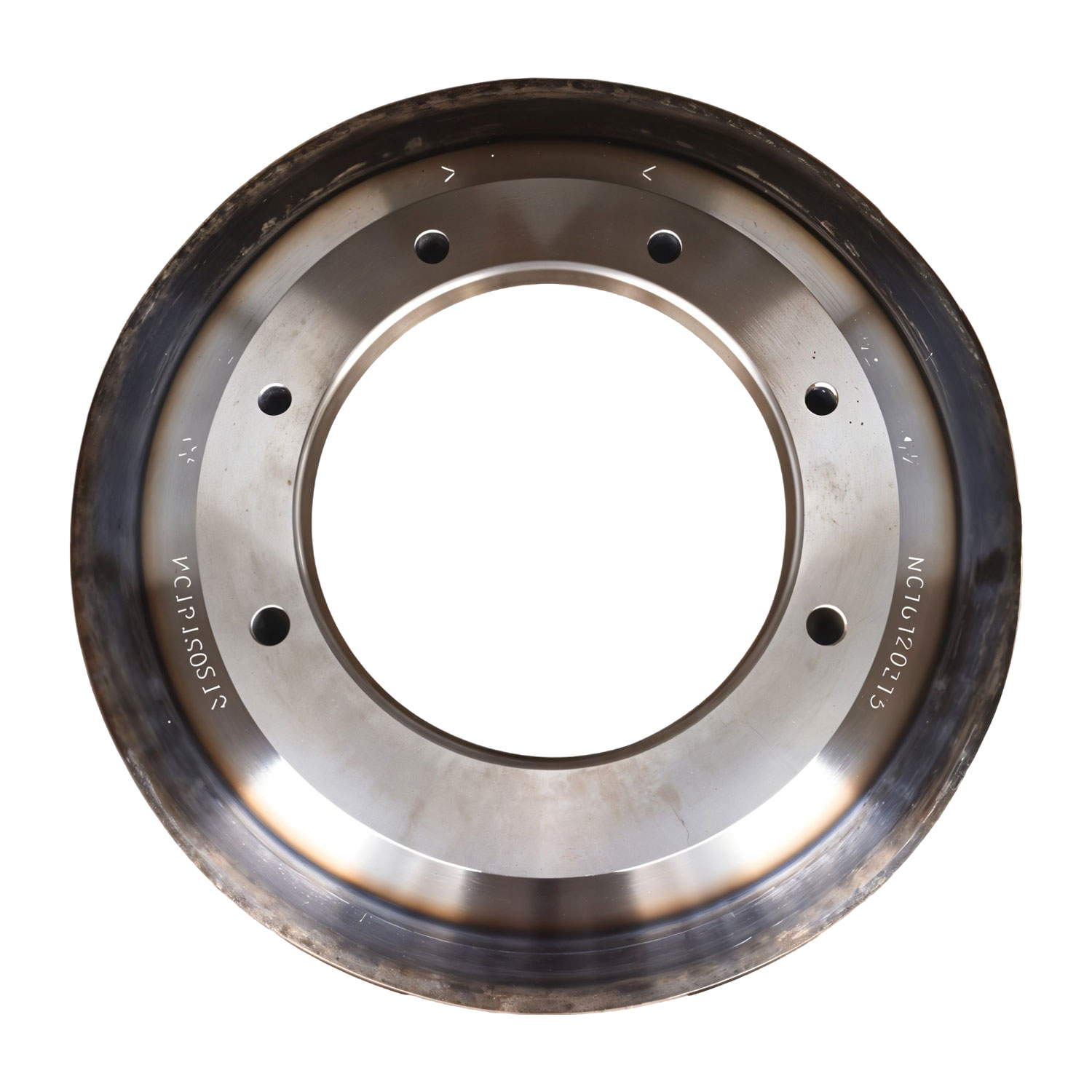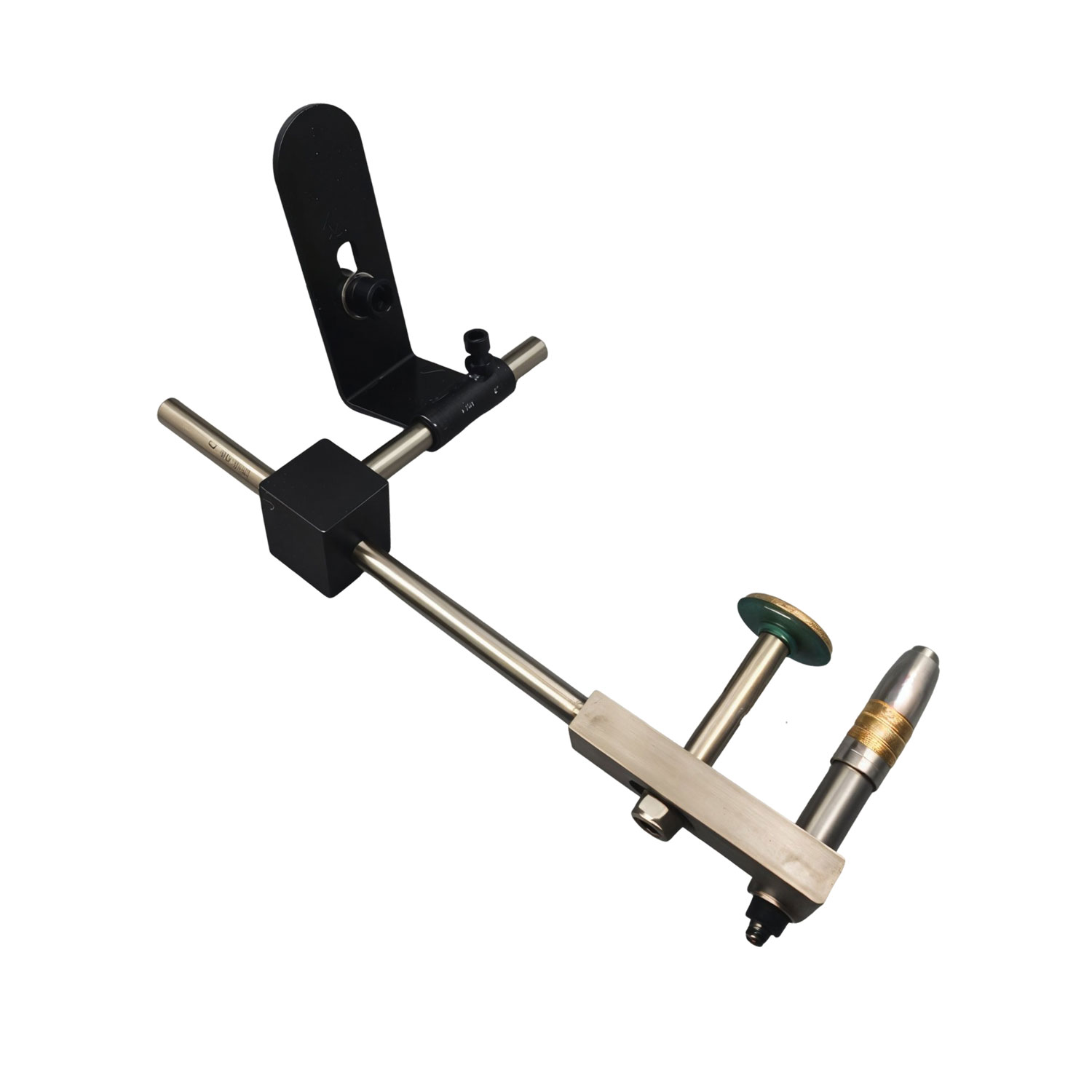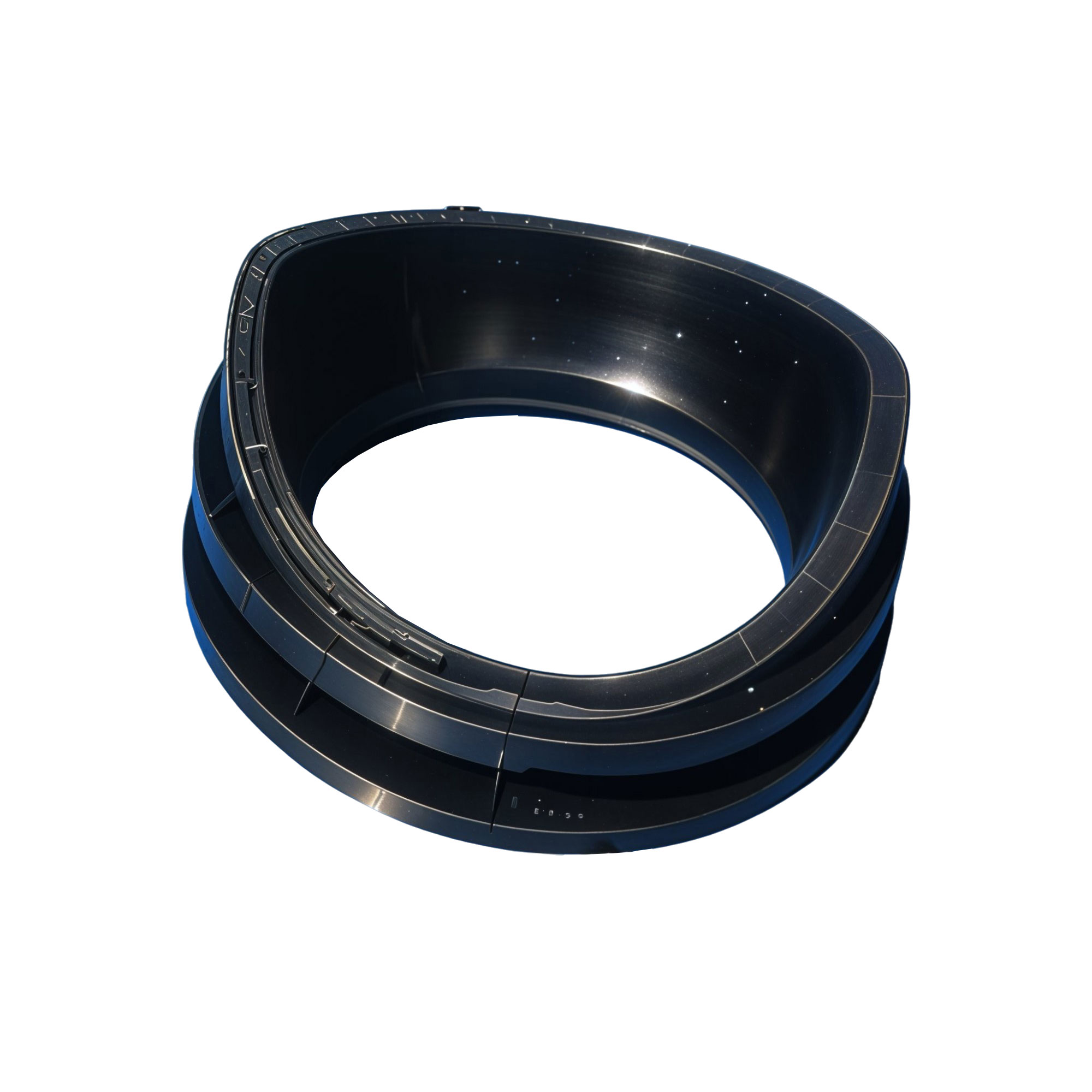



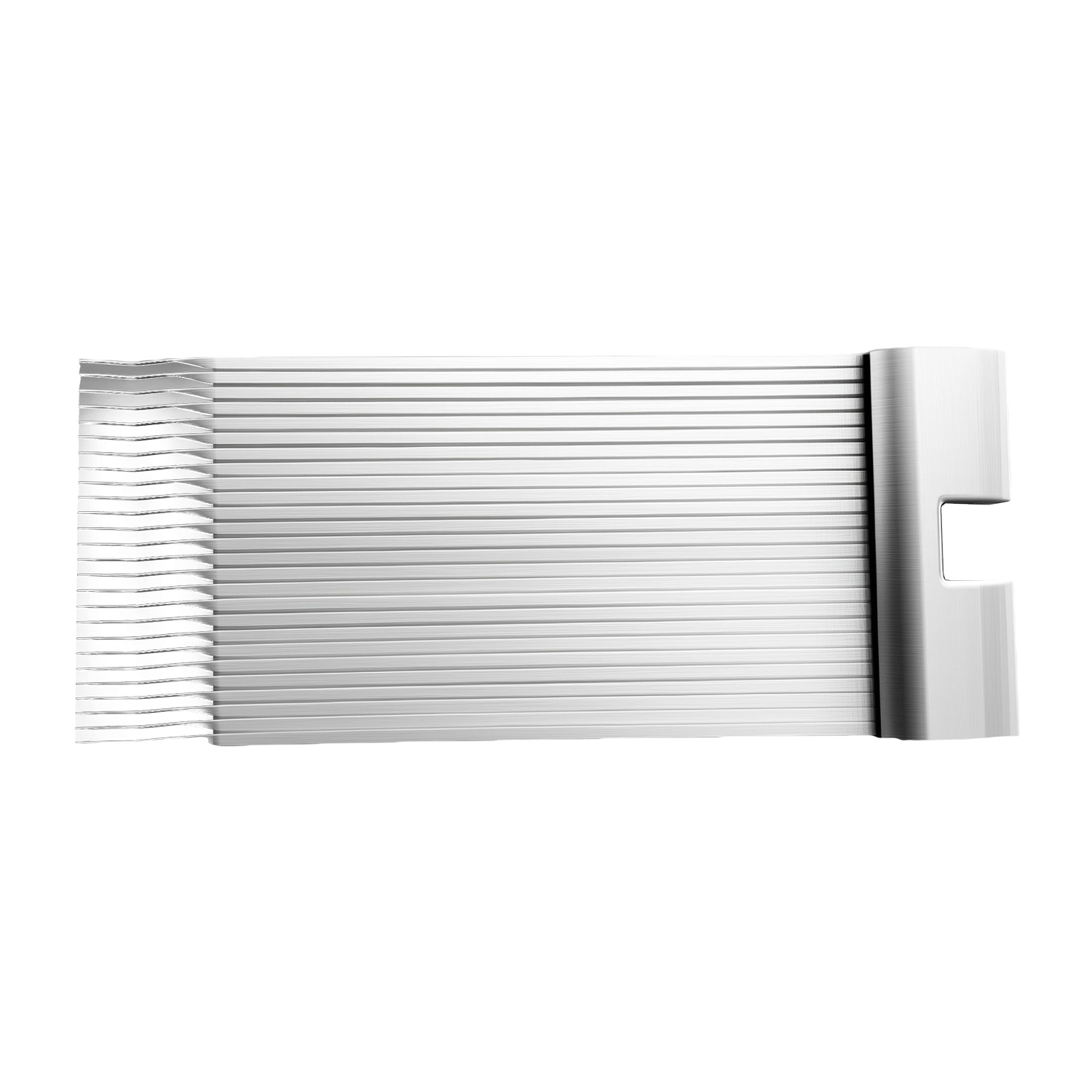
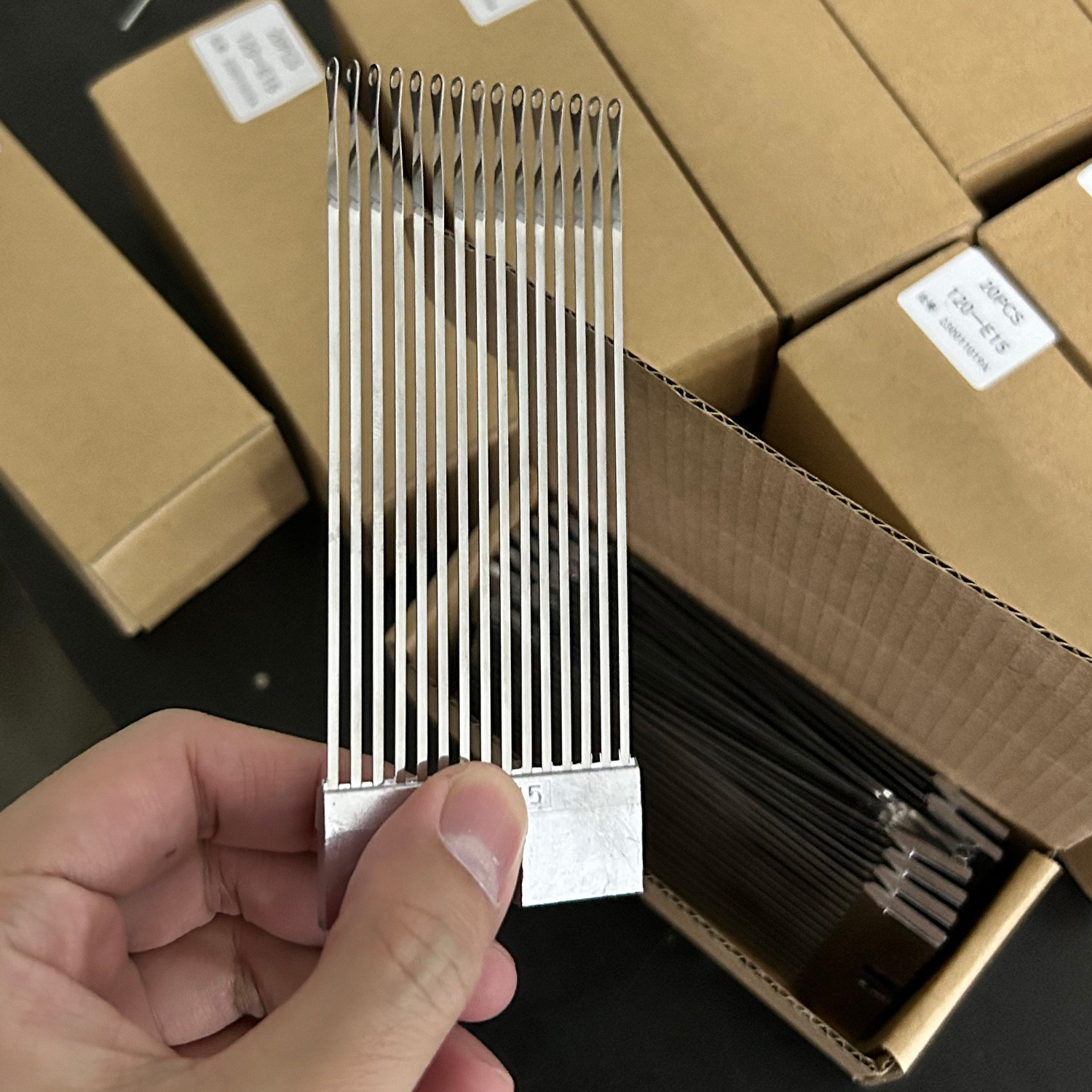
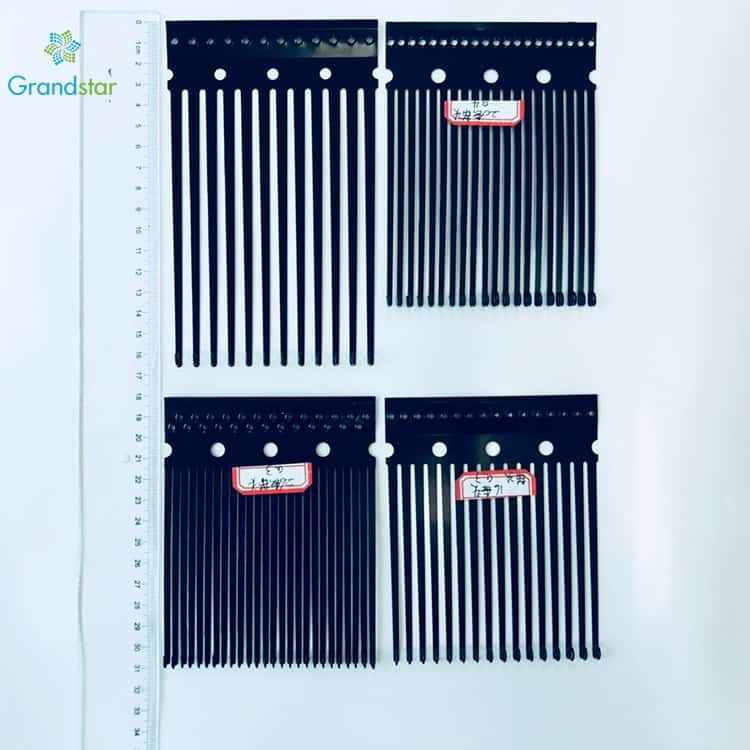
Yarn Tensioner
| Yarn Tensioner For Warp Knitting Machine | |
| Model No. | Yarn Tensioner |
| Application | For Machine’s Yarn Controlling |
| Certification | CE |
| Quality | One Year Guaranteed |
| Incoterms | FOB,CFR,CIF,EXW |
| Payment Terms | L/C,D/A,D/P,T/T or To be negotiated |
Types of Yarn Tensioners
Yarn tensioners for warp and circular knitting machines come in several designs, each controlling tension in a different way: mechanical (springs or levers), weight-based (small weights pulling the yarn evenly), motorized (a motor holding yarn speed and tension steady), finger-mounted (fitted to guide yarn by hand), and digital or electronic (sensors and digital controls that measure and adjust tension automatically).
Setting the Tension Dial
To set up the tensioner, first find the zero point on the tension dial by threading the yarn through the machine and turning the dial to its tightest setting, marking that position for reference. On a closed cam machine, start from the middle dial position; on an open cam machine, use the factory setting, typically 7 to 11 threads above the cam nut. Adjust the dial in small steps, such as half turns, knitting a few rows after each change until stitches sit correctly on the needles without rising or falling off.
Diagnosing Uneven Tension
Uneven tension shows up as bumpy knitting or twisted fabric, and is often traced to over-stretching the fabric during knitting or finishing, inconsistent yarn feed speed, or tension settings that were not adjusted for the current job. On a machine, keeping the feeding brushes at the same speed is one way to correct it.
- PRODUCT DETAILS
- High-Quality Elastic Material: Crafted from durable, elastic materials that offer the perfect balance of flexibility and strength.
- Consistent Tension Control: Maintains even yarn tension, preventing issues like yarn breaks, uneven tension, or fabric defects.
- Long-Lasting Durability: Resistant to wear and tear, ensuring a long service life even under high-stress conditions.
- Easy Installation: Simple to integrate into yarn tensioning systems, providing a seamless upgrade to your existing machinery.
- Temperature Resistant: The elastic material can withstand variations in temperature, making it ideal for the textile manufacturing environment.
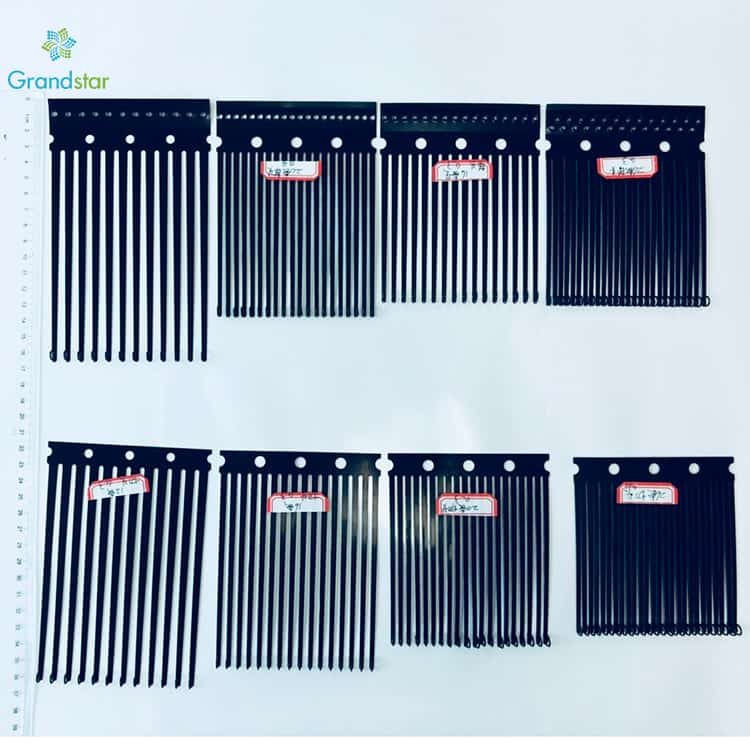
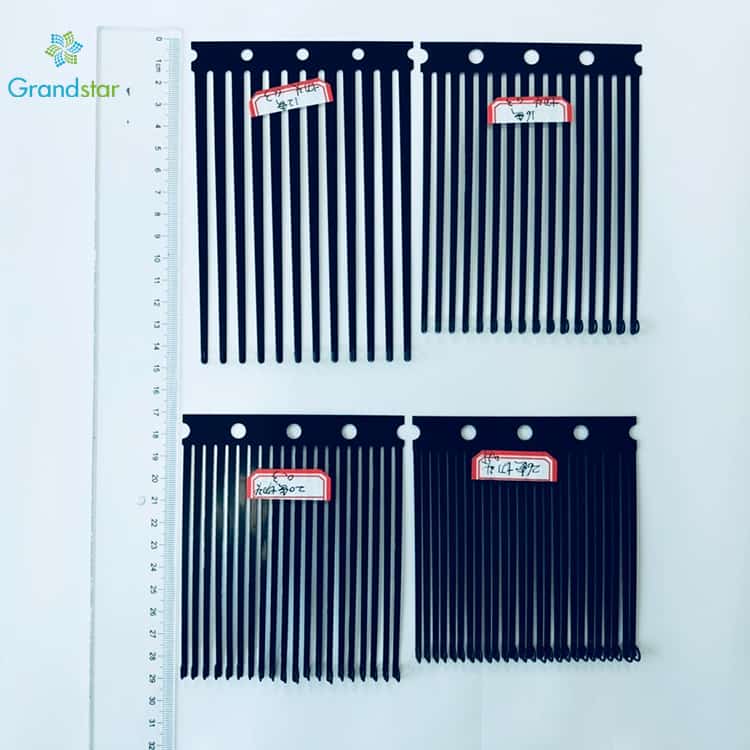
- Customizable Fit: Available in different sizes to fit a wide range of yarn tensioning machines and systems.

Application
- Textile Manufacturing: Used in yarn tensioning systems of weaving, knitting, and spinning machines to ensure smooth operation and high-quality output.
- Knitting Machines: Helps regulate the tension of yarns in knitting systems, preventing issues with fabric quality.
- Weaving Looms: Crucial for maintaining consistent tension in yarns, leading to more precise weaving and better-quality fabrics.
- Spinning Mills: Works in spinning operations to keep yarn tension consistent for optimal spinning results.
- Industrial Applications: Suitable for any system requiring precise and controlled tensioning of materials.