



Malimo Machine: Reading Energy, Waste and Lifetime Cost From the Spec

The Malimo machine in our range is a stitch bonding machine whose energy and waste behaviour can be read straight from its specification: a main motor of 13 to 18 kW depending on working width, electronically controlled yarn let-off and fabric take-up, and a computer that coordinates feeding, take-up and the main drive from one touch screen. This page reads those figures as an engineer would, instead of calling the machine green and leaving it there.
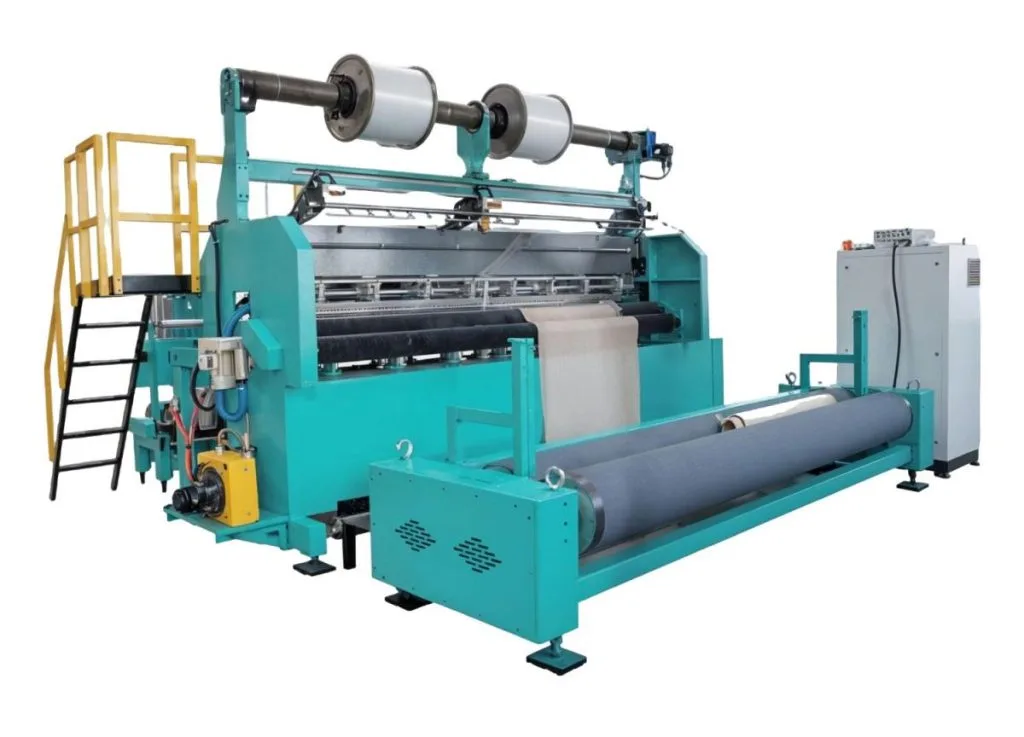
Where the energy goes
Yarn feeding and fabric take-up run on geared motors with integrated frequency converters. The main drive is speed-regulated with power-failure safety, and the electricity draw of the main motor is 13 kW to 18 kW depending on machine width. A converter lets the line run at the speed the recipe needs rather than at one fixed speed, and the smaller motor on the narrower widths means you are not paying for width you do not knit.
What the specification does not give you is a kilowatt-hour per kilogram figure. Treat the motor rating as a ceiling, not as consumption, and measure on your own recipe during the trial run before putting a number in a tender.
Where the waste is controlled
A computer-integrated control system manages yarn feeding, fabric take-up and the main drive together, and the touch screen shows real-time data. The point of the live data is timing: an operator who sees tension or speed moving can correct it before a length of off-spec fabric is wound, which is where material loss on a stitch bonding line usually comes from.
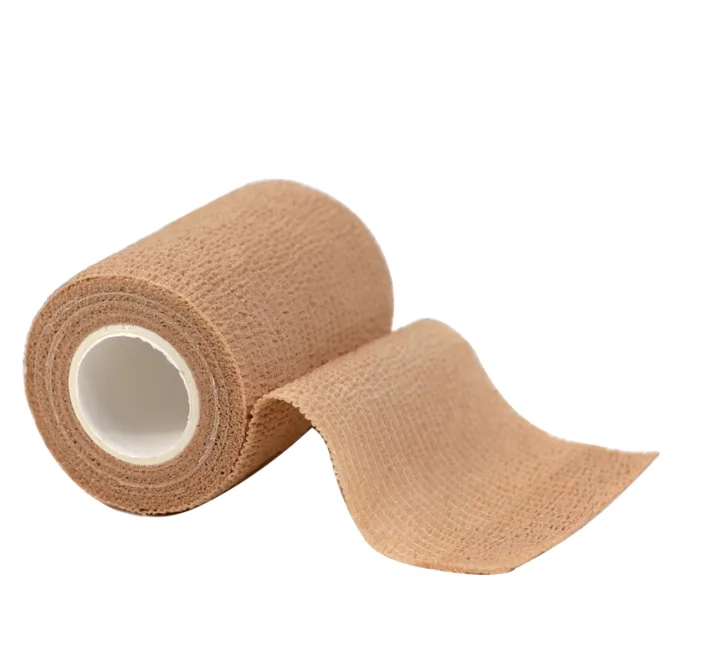
Electronically controlled let-off and take-up hold yarn tension and fabric consistency through the run rather than only at the start. Warp beam support is sectional, with one or two beam positions, so the setup can match the order instead of running a full beam set for a narrow article.
Width and gauge: the two choices that fix cost before the first metre
Working widths run from 2000 mm to 6000 mm, which covers narrow medical textiles at one end and wide home furnishing fabrics at the other. Gauges are F7, F12, F14, F16, F18, F20 and F22, from fine, lightweight materials to heavier, more robust fabrics. Both are ordered with the machine; neither is a knob you turn later.
Choose width for the roll your customer buys, and choose gauge for the fabric density the application needs. A machine wider than the order carries a bigger motor and more frame than the fabric will ever use; a gauge finer than the application needs costs throughput for nothing the buyer can see.
For how Malimo sits among the other stitch bonding processes, that page covers the family; the product page for the Malimo stitch bonding machine carries the ordering details.
Lifetime cost: the wear parts
The knitting elements are the parts that wear: compound needle bars, closing wire bars and knock-over sinker bars. They are built from wear-resistant materials so that replacements are fewer and downtime shorter, which is the real lever on lifecycle cost, since a stopped line costs more per hour than any motor does.
Budget them as consumables with a planned interval rather than as emergencies, keep a set on the shelf, and log each replacement against running hours so the interval is yours and not a guess. Replacement knock-over sinkers for a stitch bonding machine are listed on their own page.
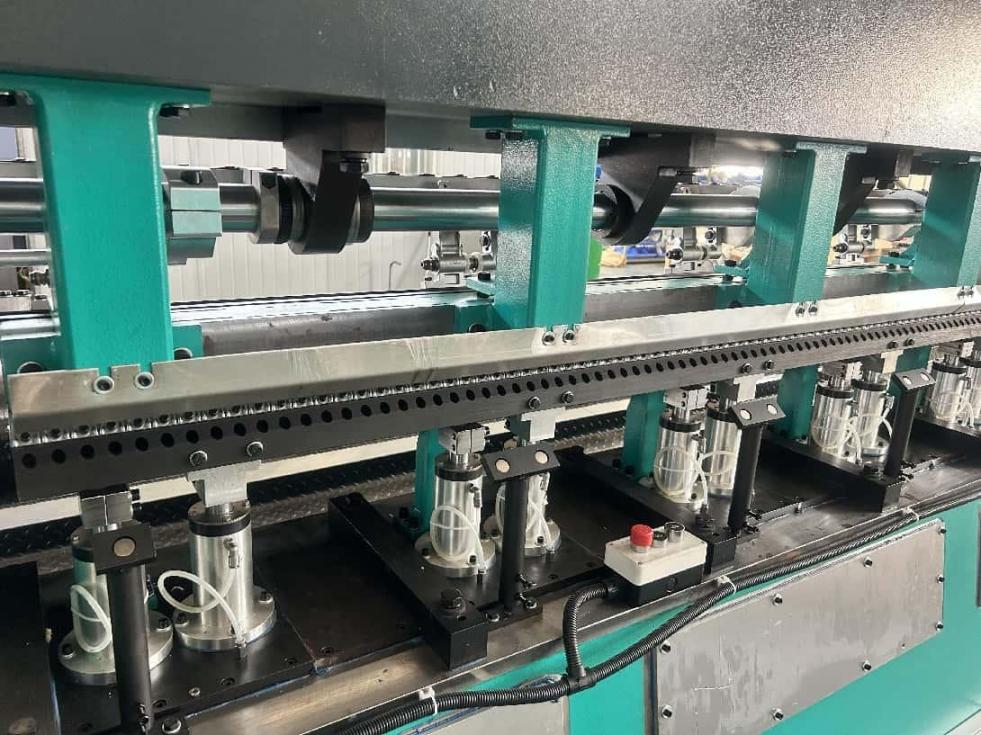
What the Malimo machine is bought to make
- Stitch-bonded fabrics for industrial use.
- Medical bandages.
- Clothing interlining.
- Curtain fabrics.
Those four markets have different width and density needs, which is why the width and gauge lists are as long as they are. A plant that serves more than one of them should size the frame for the widest roll it sells and pick gauge per article.
If your programme is this, then order that
If you run one article at volume, then take the narrowest width that covers the roll and the gauge the article needs, and spend the saving on beam positions so the line stops less often. If you switch between narrow medical fabrics and wide furnishing fabrics, then take the wider frame and both beam positions, and accept the larger motor. If a buyer asks you for an energy figure, then quote only what you measured on the trial run, because the 13 to 18 kW rating is a motor size, not a consumption.
These readings apply to the Malimo stitch bonding machine. The other stitch bonding processes in the range use different yarn and web configurations and are covered on their own pages.
Who builds it, and how to start
Grand Star has worked on warp knitting technologies since 2012. The company is headquartered in Fujian, China, with operations in the United States, Japan, Vietnam, India, Turkey, Mexico and other markets, and delivery includes service and training support.
To get a configuration proposal, send your fabric end use, roll width and target density through our contact page; commercial terms and the wider group range are handled at grandstarcn.com.
Frequently Asked Questions
How much power does a Malimo machine use?
The main motor is rated 13 kW to 18 kW depending on working width, and the drives for yarn feeding and fabric take-up are geared motors with integrated frequency converters. The rating is a ceiling, not a consumption figure; measure on your own recipe during the trial run.
Which widths and gauges are available?
Working widths from 2000 mm to 6000 mm, and gauges F7, F12, F14, F16, F18, F20 and F22. Width is chosen for the roll your customer buys; gauge is chosen for the density the application needs. Both are ordered with the machine.
How does the machine reduce material waste?
A computer-integrated control system manages yarn feeding, fabric take-up and the main drive together, and the touch screen shows live data so operators correct drift before off-spec fabric is wound. Electronic let-off and take-up hold tension through the run.
What parts wear and need replacing?
The knitting elements: compound needle bars, closing wire bars and knock-over sinker bars. They are made from wear-resistant materials, so replacements are fewer and downtime shorter. Treat them as planned consumables and log each change against running hours.
What is the Malimo stitch bonding machine used for?
Stitch-bonded industrial fabrics, medical bandages, clothing interlining and curtain fabrics. Each market needs a different width and density, which is why the frame is sized for the widest roll you sell and the gauge is picked per article.

Hey, I’m Vincent!
Solving complex challenges with precision and creativity in the warp knitting industry. Passionate about advancing textile engineering and turning innovative ideas into reality. Shaping the future of warp knitting.


