



Warp Knitting Machine Spare Parts: What to Stock and Why

Warp knitting machine spare parts fall into six families: electronic parts, mechanical parts, warping parts, knitting needles, warp beams and ceramic guide parts. The parts worth keeping on the shelf are the ones that stop the whole machine when they fail and cannot be sourced in a day, which usually means knitting elements and the small wear parts in the yarn path, not large castings.
This guide sorts the families by how they fail, explains how to decide what to stock, and uses one edge-control device, the selvedge spreader, to show what to check when a part sits between the machine and the fabric.
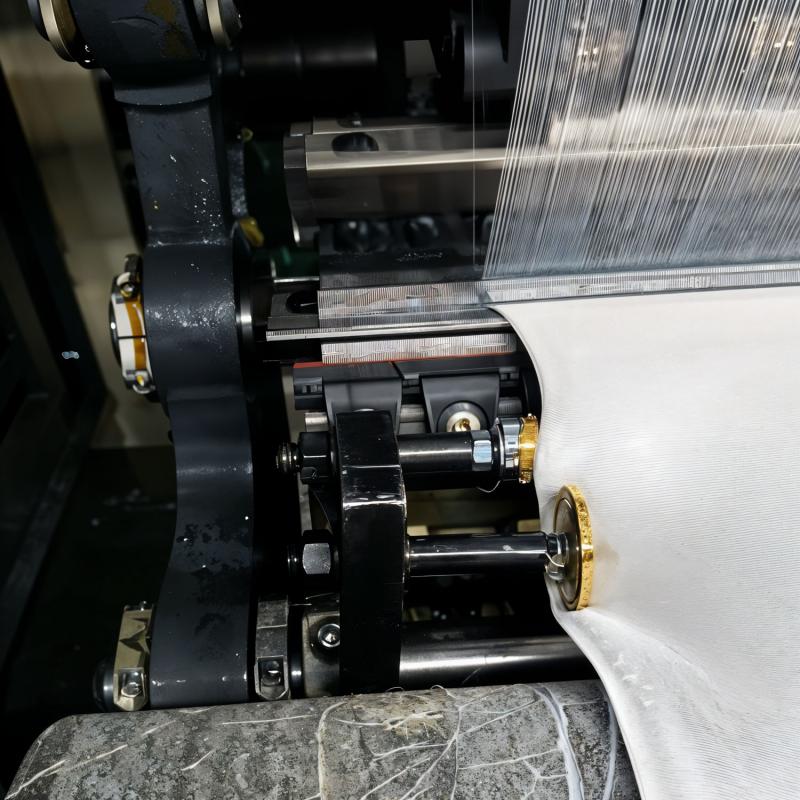
The six spare parts families and how each one fails
Our spare parts range is organised into the same six groups most mills use when they build a stock list. Thinking in families rather than part numbers makes it easier to see where the risk sits.
| Family | What is in it | How it usually fails | Stocking logic |
|---|---|---|---|
| Knitting needles and elements | Needles, sinkers, guides and the bars that hold them | Gradual wear and sudden breakage in the knitting zone | Keep a working reserve for every gauge you run |
| Ceramic parts | Eyelets and guides in the yarn path | Grooving from yarn friction, chipping | Small, cheap, and they stop the line: keep spares |
| Mechanical parts | Drive, bearings, shafts, connectors | Wear over long running hours, noise before failure | Stock the fast-wearing items; order heavy parts on warning signs |
| Electronic parts | Control and let-off electronics, sensors | Sudden, often without warning | Keep the boards and sensors that have no local substitute |
| Warping parts | Components on the warping machine side | Wear on the beam preparation line | Protect the warping line too, or the knitting line starves |
| Warp beams | Beams and their fittings | Flange or barrel damage in handling | Plan by beam count and handling practice, not as emergency stock |
If you are not sure which family a worn part belongs to, our five-step spare parts identification route walks through it, and the accessory sourcing guide covers matching a part to its family before you order.
How to decide which warp knitting machine spare parts to stock
Overstocking ties up cash in parts that sit for years; understocking turns a small failure into days of lost production. Three questions sort most parts quickly.
Does the machine stop when this part fails?
A worn eyelet or a broken needle stops knitting at once. A noisy bearing usually gives warning. Parts in the first group earn shelf space; parts in the second group can often be ordered when the warning appears.
How long does it take to get a replacement?
Standard wear parts in common gauges are easy to find. Parts matched to a specific gauge, bar layout or control system take longer, and those are the ones a mill regrets not holding.
How many machines share the part?
A spare that fits every machine on the floor protects more production than one that fits a single machine. Standardising gauges and needle types across a line shrinks the stock list without adding risk. For needles specifically, our warp knitting needles guide explains how the needle groups are ordered, and our ceramic eyelets guide covers wear signs in the yarn path.
Edge control parts: the selvedge spreader as an example
Some parts do not knit anything but still decide whether a roll passes inspection. Fabric edges are often the first place poor processing shows: fraying or distortion at the selvedge can get a roll rejected even when the body of the fabric is fine. A selvedge spreader device guides and expands the fabric edge during knitting so it stays even.
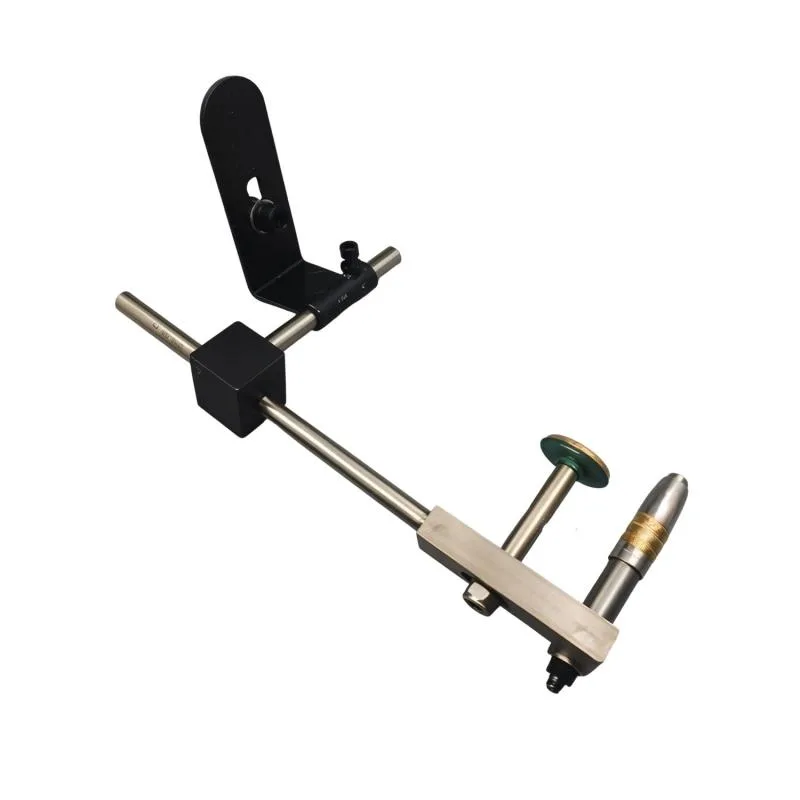
What the device is made of
- Body: the frame that holds every other component in line and damps vibration during running.
- Needle belt: a belt lined with fine needles that hold the fabric edge and spread it.
- Wheels: one at each end of the belt, keeping it under tension so it does not slip or shift.
- Drive: taken directly from the warp knitting machine, so the belt moves at the same speed as the fabric.
What to check when choosing or replacing one
The direct drive is the point to look at first. An edge tool driven at its own speed drags or pushes the fabric, and that shows up as pulled or stretched selvedges. A device synchronised with the machine avoids the mismatch. Next is adjustability: the belt angle can be changed, which is what lets the same device handle light, delicate fabrics and thick technical ones. Last is service: the device is modular and can be taken apart without special tools, so a worn belt or wheel is a short stop rather than a long one.
The same logic applies to any part that touches the fabric: check how it is driven, how it adjusts to the fabric range you run, and how fast it can be serviced.
When to stock a part, and when to order on demand
If a part sits in the knitting zone or the yarn path, fails without warning, and fits several machines, then keep it on the shelf, because a single failure stops production and the cost of holding it is small.
If a part is large, specific to one machine, and gives audible or visible warning before it fails, then order it when the warning appears rather than holding it, because stock would sit idle for a long time.
This split does not apply to a line running a single critical order with no spare machine capacity; in that case even warning-type parts are worth holding until the order ships.
To build a stock list for your own machines, send us the machine type, gauge and bar layout through our contact page, and an engineer will help match each part to its family. The full parts catalogue is also listed on our manufacturing site at grandstarcn.com.
Frequently Asked Questions
Which warp knitting spare parts should a mill always keep in stock?
Parts that stop the machine the moment they fail and fit several machines: knitting needles and elements for each gauge you run, and ceramic eyelets and guides in the yarn path. They are small, wear steadily and halt production when they go.
What does a selvedge spreader do on a warp knitting machine?
It guides and widens the fabric edge during knitting with a needle belt driven directly by the machine, so the edge moves at fabric speed and stays even instead of fraying or distorting.
How do I identify which family a worn part belongs to?
Start from where it sits: knitting zone, yarn path, drive, controls, warping line or beam. Our five-step identification route walks through this before you order a replacement.

Hey, I’m Vincent!
Solving complex challenges with precision and creativity in the warp knitting industry. Passionate about advancing textile engineering and turning innovative ideas into reality. Shaping the future of warp knitting.


