



Energy-Efficient Tricot Machines: A Guide to Sustainable Textile Manufacturing for Apparel and Textiles

Tricot Machine for Apparel and Textiles investments are no longer judged only by speed and fabric variety—they are judged by energy discipline, stable quality, and waste control. At Grand Star Technology, we see the same shift across markets: mills must deliver performance fabrics fast, while also proving measurable progress on sustainability. That pressure is understandable because the fashion and textiles sector accounts for 2–8% of global greenhouse gas emissions, according to the United Nations Environment Programme.
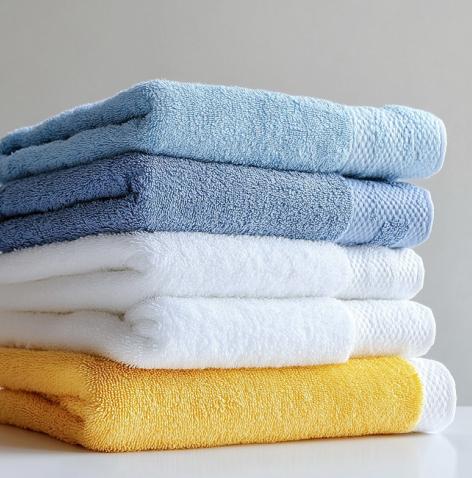
Why Energy Efficiency Is Now a Competitive Requirement
Electricity sits inside every meter of warp knitted fabric. If the machine, tension system, and operator habits are not aligned, you pay twice: once on the power bill, and again through defects, rework, and delayed shipments.
Waste is also becoming less acceptable in customer audits and internal cost reviews. For perspective, UNEP highlights estimates of 92 million tonnes of textile waste produced globally each year. That scale makes “less scrap” a business priority, not just a sustainability slogan.
From our factory-to-mill experience, energy-efficient tricot production comes down to three controllable levers:
✅ Use power only at the speed you truly need
✅ Keep yarn and fabric tension stable to prevent quality drift
✅ Detect issues early so you do not knit waste for hours
When these levers work together, sustainability becomes practical: higher first-pass yield and a lower cost per saleable meter.
A Tricot Machine for Apparel and Textiles: What It Produces and Why It Matters
A tricot machine is a warp knitting platform designed to produce smooth, consistent fabrics at industrial speed. For apparel and textiles, tricot structures are widely used because they balance stretch, recovery, hand-feel, and durability—an ideal mix for performance categories.

In real production, the value is flexibility. With the right guide bar configuration and pattern control, one stable machine base can support multiple end-uses, such as sportswear and fitness fabrics, shoe textiles, and other applications requiring breathability and wear resistance.
Where Energy Waste Happens in Warp Knitting
Energy waste often comes from everyday inefficiencies: running faster than necessary, unstable tension that creates rejects, and late detection of yarn or fabric problems. This is why an energy-focused machine design is also a quality-focused design.
Modern tricot equipment can directly address these pain points through electronically controlled take-up and let-off, real-time monitoring, and more transparent machine settings for operators.
Speed-Regulated Drives: Matching Power to Demand
A proven principle in industrial motor systems is speed control. The United States Department of Energy explains that an adjustable speed drive (often a variable frequency drive) adjusts the frequency and voltage supplied to an AC motor so the motor speed matches process needs. It also notes that in suitable variable-torque cases, modest speed reductions can produce large power reductions.
This is the logic behind speed-regulated drive technology in our tricot machines: stable control at the required speed, smoother acceleration, and fewer losses from over-driving. For broader context, the Energy Institute summarizes that variable speed drives can typically save 15–40% of energy in applications where the load is variable. (Results depend on the load profile and commissioning.)
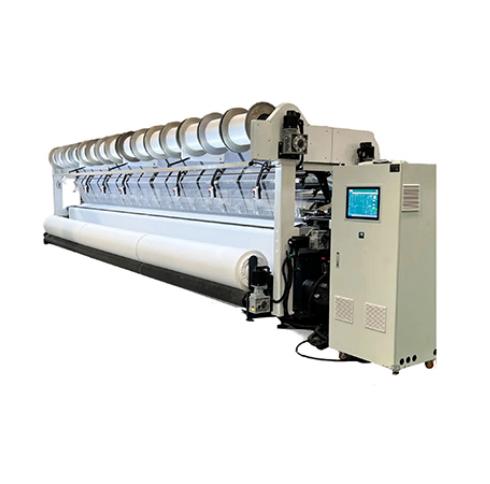
Our GS-HKS3: Turning Machine Features Into Sustainable Output
The GS-HKS3 is our three-bar tricot knitting machine for mills that want precise pattern control, consistent tension, and a straightforward path to energy-aware operation. Core specifications include 3 ground guide bars, pattern disc or electronic (EL) drives, CE certification, and a one-year quality guarantee.
Spec Checklist for a Tricot Machine for Apparel And Textiles
When buyers compare a Tricot Machine for Apparel and Textiles, we suggest reading specs through a “factory outcome” lens. On the GS-HKS3, each major system is designed to translate into daily operational value:
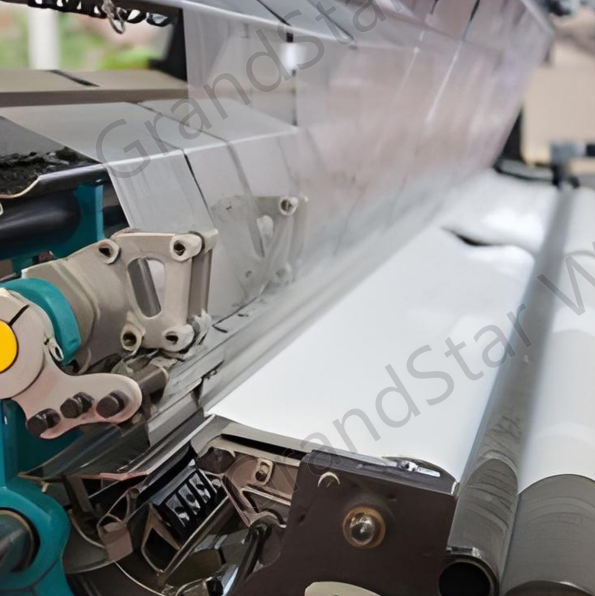
✅ Advanced needle system with compound needles helps form stitches cleanly, supporting different fabric textures while reducing instability during development.
✅ Guide bars and shogging mechanism increase pattern selectivity, helping you respond to style changes with less downtime.
✅ Electronic take-up and accurate let-off improve tension control, reducing fabric contour issues and increasing saleable yield.
✅ Laserstop and camera monitoring support fast detection and correction, reducing scrap and protecting consistency across shifts.
✅ GrandStar® COMMAND SYSTEM HMI makes settings easier to access and standardize, lowering operator error and shortening ramp-up time.
For global procurement, the product documentation also clarifies practical trade details such as common Incoterms options (e.g., FOB/CIF/EXW) and flexible payment terms.
Training and Service That Keep Efficiency Real
Machine efficiency on paper can disappear on the shop floor if installation is rushed or if operators lack clear settings and maintenance routines. That is why our support includes installation guidance and warp knitting training, backed by manuals and technical help.
Uptime is also part of sustainability. A stop-start line wastes energy and materials. Our after-sales network includes local support in Turkey, India, Vietnam, Indonesia, and the United States. Where local teams are not yet available, real-time online support is the first line of help, followed by engineer dispatch when needed.
A Simple Next Step Toward Greener Tricot Production
Sustainable upgrades succeed when they start with measurable targets. Before purchasing equipment, align your team on what “better” means for your factory, then select machine functions that can realistically move those numbers.
✅ Identify your priority fabrics (for example: breathable sports mesh, shoe textiles, or stable base fabrics for bonded products).
✅ Establish a baseline: defect rate, rework time, and electricity cost per meter today.
✅ Prioritize “waste killers”: tension stability, monitoring, and an operator-friendly HMI often improve yield quickly.
If you want to evaluate the GS-HKS3 as part of your next Tricot Machine for Apparel and Textiles upgrade, our team can help you map configuration to target fabrics, commissioning, and service coverage. Share your fabric specs and output expectations, and request a technical consultation plus a quotation package.

Hey, I’m Vincent!
Solving complex challenges with precision and creativity in the warp knitting industry. Passionate about advancing textile engineering and turning innovative ideas into reality. Shaping the future of warp knitting.


