



How Warp Knitting Machinery Handles High Stretch Yarns

Warp Knitting Machinery is being pushed harder than ever as brands chase fabrics that are lighter, softer, and much stretchier, without giving up industrial-level output. At Grand Star Technology, we work with mills that produce sportswear, lingerie, elastic tapes, and technical textiles, and they all face the same challenge: how do you keep high stretch yarns under control while still running fast and reliably?
From our point of view, the answer starts long before the yarn reaches the knitting needles. It begins in warp preparation, with a new generation of Split Warping Machine designed specifically for sensitive, high stretch filaments. When warping is stable, the whole line benefits – from machine uptime to fabric quality and cost per meter.
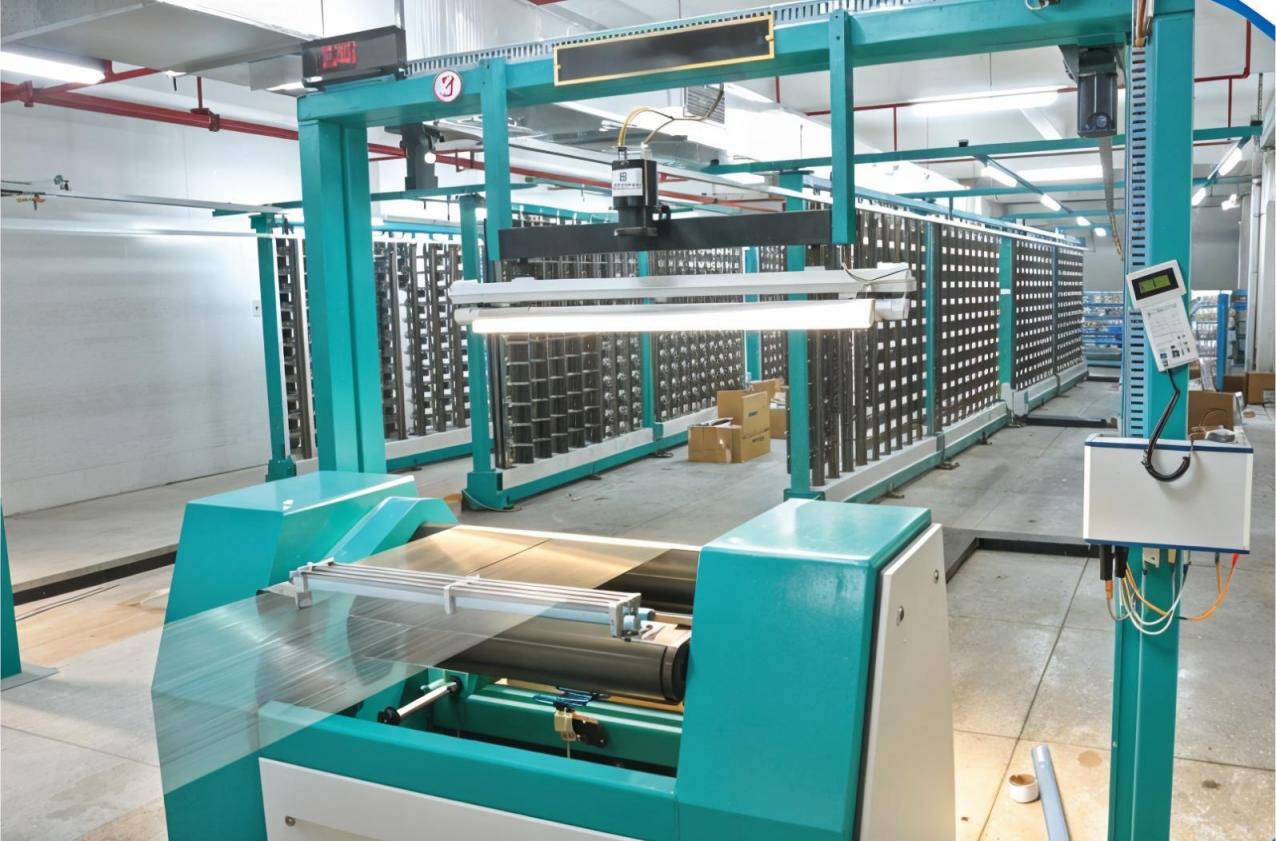
Why High Stretch Yarns Challenge Warp Knitting Machinery
A few years ago, stretch fabrics were a niche segment. Today, they are everywhere – in performance sportswear, shapewear, medical textiles, and even everyday fashion. This shift has created new expectations for Warp Knitting Machinery, and at the same time, new sources of risk.
High stretch yarns and superfine filaments behave very differently from conventional yarns. They react strongly to even small fluctuations in tension. A slight change at the creel can show up later as fabric barré, uneven density, or loss of recovery. When machines run faster, these issues become more visible and more expensive.
Many mills tell us they are dealing with similar pain points:
✅ Yarn breaks increase sharply when they try to raise machine speed
✅ Fabric appearance becomes unstable due to inconsistent tension
✅ Changeovers between different yarn types take too long
✅ Partial cones and leftover cheese yarns create unnecessary waste
✅ Energy and labor costs rise, but output does not grow in the same proportion
In this environment, asking operators to “be more careful” is not a realistic solution. What Warp Knitting Machinery really needs today is a warping process that is tightly controlled and highly automated, tuned specifically to the unique behavior of high stretch yarns.
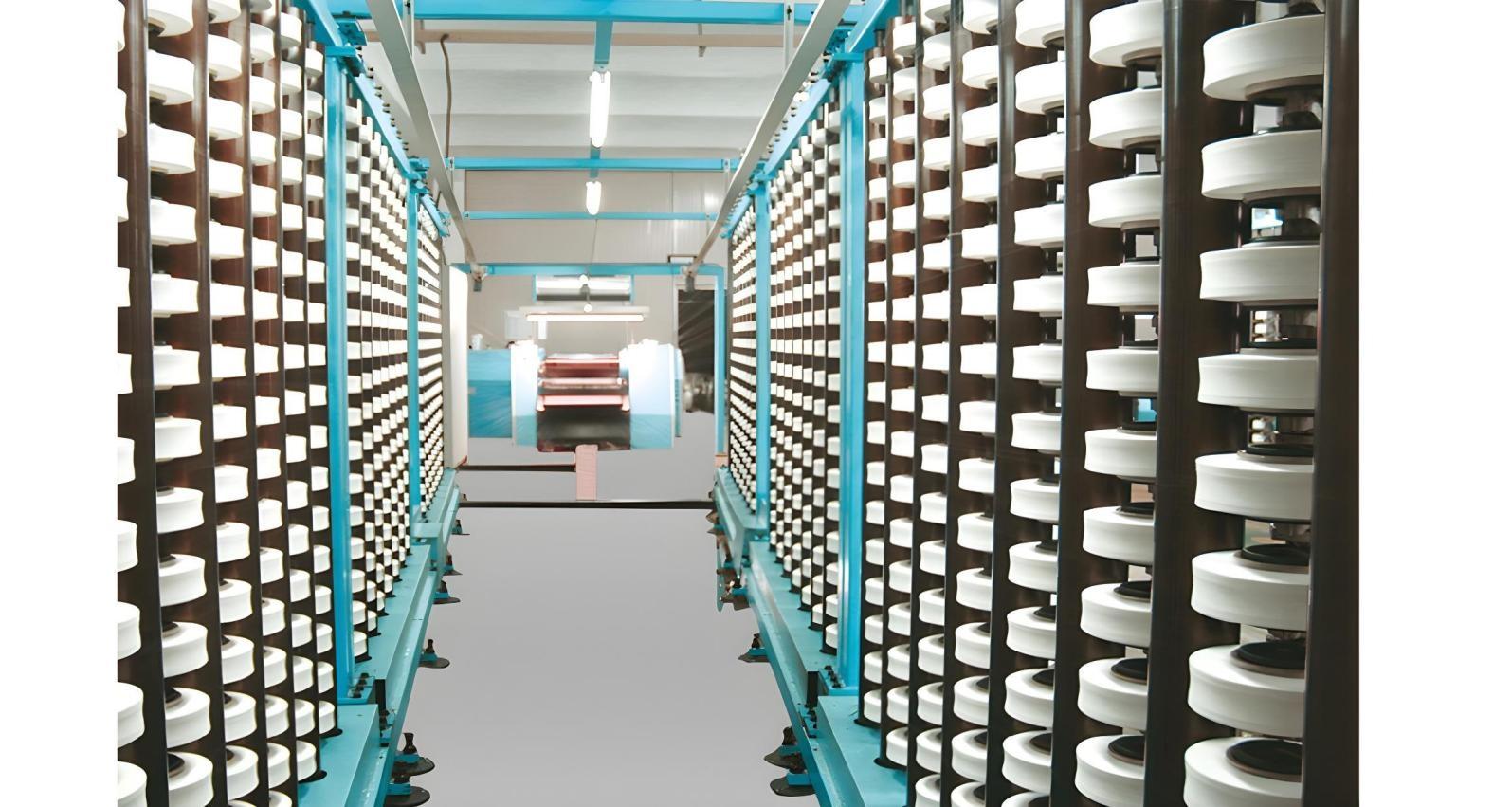
How Our Split Warping Machine Brings Stability
At Grand Star Technology, we engineered our Split Warping Machine with a clear purpose: to supply Warp Knitting Machinery with warp beams that are consistently stable, accurate, and repeatable, even when running challenging elastic filaments. To do this, we integrated multiple advanced functions into one coordinated system.
- One-Step Mother Yarn Splitting And Warping
Many elastic and high-performance fabrics begin with mother yarns that must be split before knitting. Traditionally, this involves separate machines and process steps: first splitting, then warping, often handled in different areas of the mill. Each handover adds time, cost, and the chance of inconsistency.
Our Split Warping Machine simplifies this by performing mother yarn splitting and direct warping in one continuous process. As the yarn is split, it is wound straight onto the warp beam. For mills using nylon, polyester, or special high-value fibers, this brings several advantages:
✅ Fewer stages and less physical handling of yarns
✅ Shorter lead time from raw yarn to ready warp beam
✅ Reduced need for extra floor space and auxiliary equipment
✅ A more consistent process, because yarns are not repeatedly rewound and transported
The result is a warp beam that gives Warp Knitting Machinery a cleaner start. Operators can focus more on running the knitting machine and less on chasing tension issues created earlier in the chain.
- Precise Tension Control for Sensitive Filaments
For high stretch yarns, tension control is the heart of the process. Uneven tension across the width of the beam almost guarantees quality variations and higher stop rates. That is why our Split Warping Machine uses a dedicated tension roller system combined with high-precision individual electric tension motors on the creel.
Instead of treating all yarn ends the same, the system fine-tunes the tension for each position. This supports equal winding tension across the whole beam, even at elevated speeds. In practical terms, mills see:
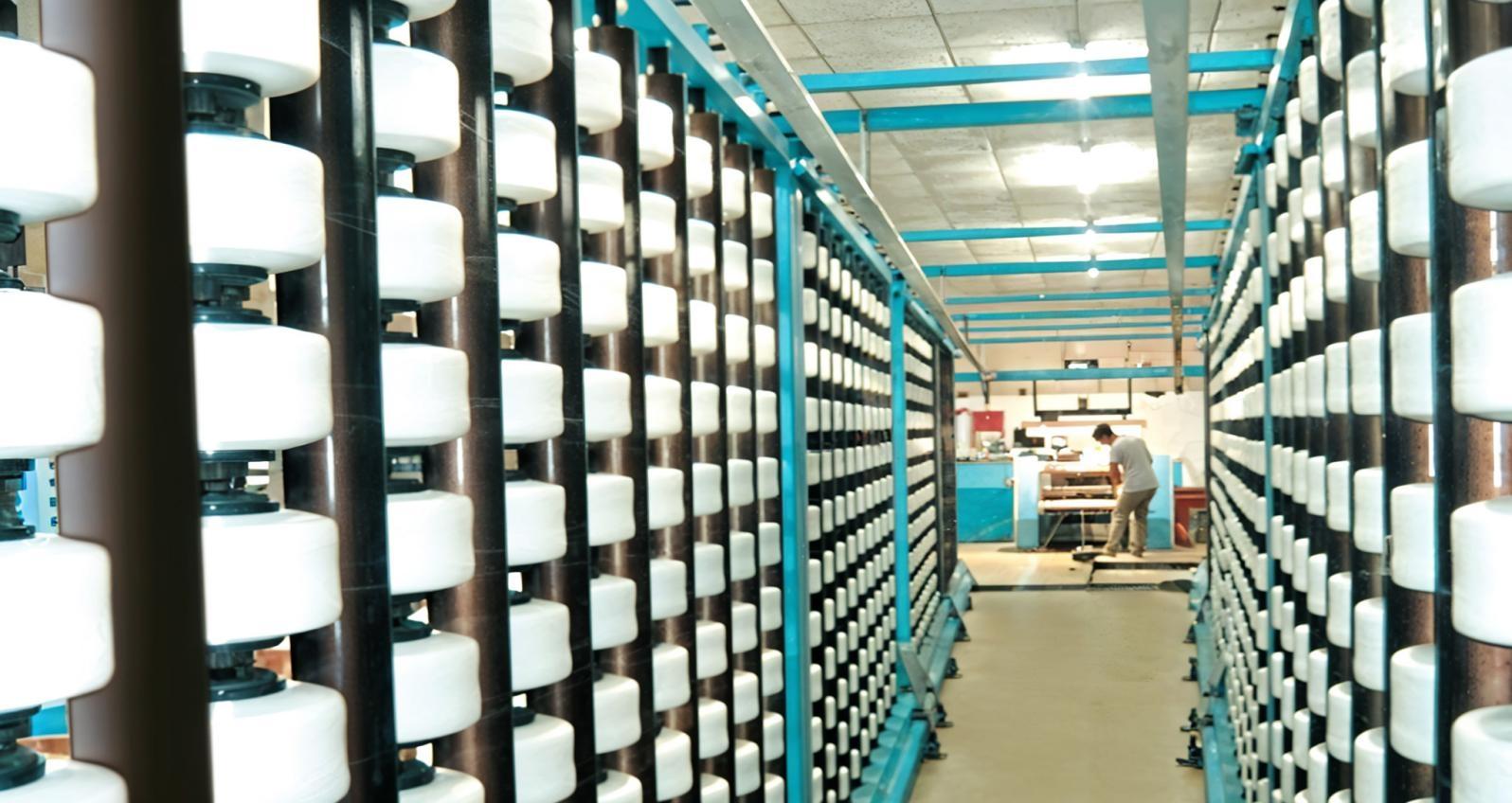
- Smoother running of Warp Knitting Machinery with fewer unexpected stops
- Lower yarn breakage, especially when running sensitive filaments
- More consistent fabric density, weight, and hand feel across the full width
- Improved reproducibility from batch to batch, which is critical for brand orders
On top of the mechanics, we use a modern PLC touchscreen interface that gives operators clear visibility and simple control. Tension settings and warping parameters can be saved and reused for repeat jobs, reducing setup time and cutting reliance on trial-and-error.
Turning Warp Preparation into a Competitive Advantage
When warp preparation is stable and predictable, Warp Knitting Machinery can finally operate at its intended performance level. High speed no longer means uncontrolled risk, and high stretch yarns no longer equal constant troubleshooting.
Mills using our Split Warping Machine often report higher effective output from the same knitting machines, because they lose less time to stops and reworks. At the same time, better control of yarn consumption and near-complete utilization of cheese yarns help reduce waste and material cost. This combination of higher uptime and lower waste directly improves the cost per meter of fabric produced.
There is also a strategic side to this. The market is moving toward shorter runs, more frequent style changes, and faster reaction to customer requests. Mills that depend on older warping systems often find that every new yarn type means a new headache. By contrast, a flexible, automated warping platform makes it much easier to:
- Introduce new fabric designs with different yarn combinations
- Work with superfine filaments and specialty fibers without losing stability
- Maintain consistent quality even when switching frequently between orders
At Grand Star Technology, we see Warp Knitting Machinery and warp preparation as a single, connected system. The knitting machine cannot show its true potential if the warp beams are unstable. That is why we invest so much in making the warping side precise, efficient, and easy to operate.
If you are currently struggling with high stretch yarns, uneven fabric surfaces, or rising production costs, it may be time to look upstream at how your warping is done. By modernizing this part of your workflow, you can turn Warp Knitting Machinery into a more productive, more cost-effective asset instead of a daily bottleneck.
If your goal is to lower yarn waste, keep warps under control, and safely increase machine speed, Grand Star Technology is here to help. Contact us to learn how our Split Warping Machine can support your warp knitting lines and get your mill ready for future stretch fabric demands.

Hey, I’m Vincent!
Solving complex challenges with precision and creativity in the warp knitting industry. Passionate about advancing textile engineering and turning innovative ideas into reality. Shaping the future of warp knitting.


