



RSE 4-1 High-Speed Elastic Raschel: Waste, Uptime and Controls

Speed on an elastic warp knitting line is only worth buying if the fabric coming off it is saleable at that speed. The RSE 4 platform is built around that constraint: uniform loop formation at pace, a frame that holds alignment through long campaigns, and take-up control tight enough that the meters you knit are the meters you ship.
This page covers what the machine changes on an elastic line – winding waste, rework, changeover time and energy – and where it does not help.
Speed is a frame problem before it is a drive problem
Raising machine speed raises everything the frame has to absorb. Vibration and drift in guide and needle alignment show up first as inconsistent loops, then as edge defects, then as stops.
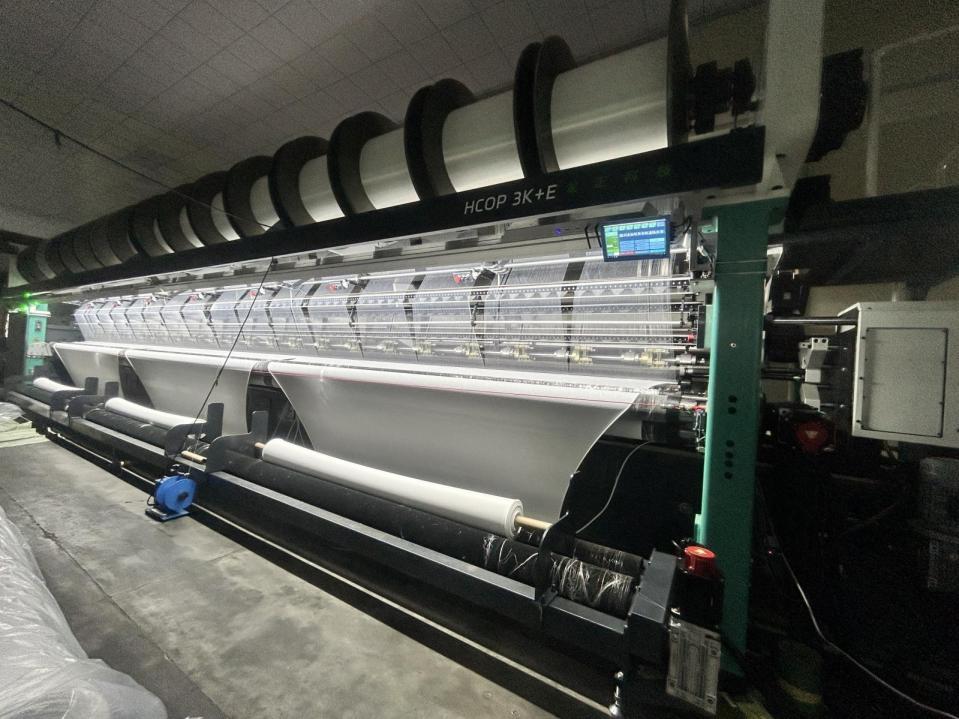
The Industrial Elastic Raschel machine RSE 4-1 is built heavy for that reason. Vibration control and rigid alignment keep guides and needles on track through long runs and across yarn lot changes – which is exactly when a lighter frame starts producing shift-to-shift variation that nobody can trace.
The drive side matters too, but differently. Smooth acceleration control keeps yarn handling uniform on elastomeric blends, where a hard ramp is enough to change the hand of the fabric for the first several metres of a run.
Take-up and winding: where elastic lines quietly lose meters
Winding waste is the loss most mills carry without measuring. The RSE 4-1 uses an electronically regulated fabric take-up, tuned for denim and other demanding articles, holding steady winding tension with almost no edge or core waste.
That matters past the knitting room. Rolls with consistent tension pass through dyeing, coating and cutting with fewer disruptions, and pack denser for shipping. Because waste compounds at every downstream stage, take-up control is a lever on total landed cost, not just on knitting yield.
If your scrap reports show losses concentrated at roll start and roll end rather than spread across the run, that is a take-up signature, and it is fixable at the machine rather than in finishing.
Inline monitoring turns a defect into a record
Laser and camera systems watch the fabric while it runs. The practical value is not only the stop – it is that an operator can trace the fault back to its source, document the event, and turn it into planned corrective maintenance instead of a repeat.
Monitoring also reduces the number of manual inspection rounds, which is a safety gain as much as a labour one. Fewer people reaching toward a running machine is fewer incidents.
The touch-screen panel is where that loop closes: recipes, take-up adjustment and alarm acknowledgement all happen at the console, so a technician does not lose the thread of a problem walking between stations. Recipe-based setup is also what keeps a newly trained operator productive during a changeover.
What the platform is bought to make
| Application | What the fabric has to do |
|---|---|
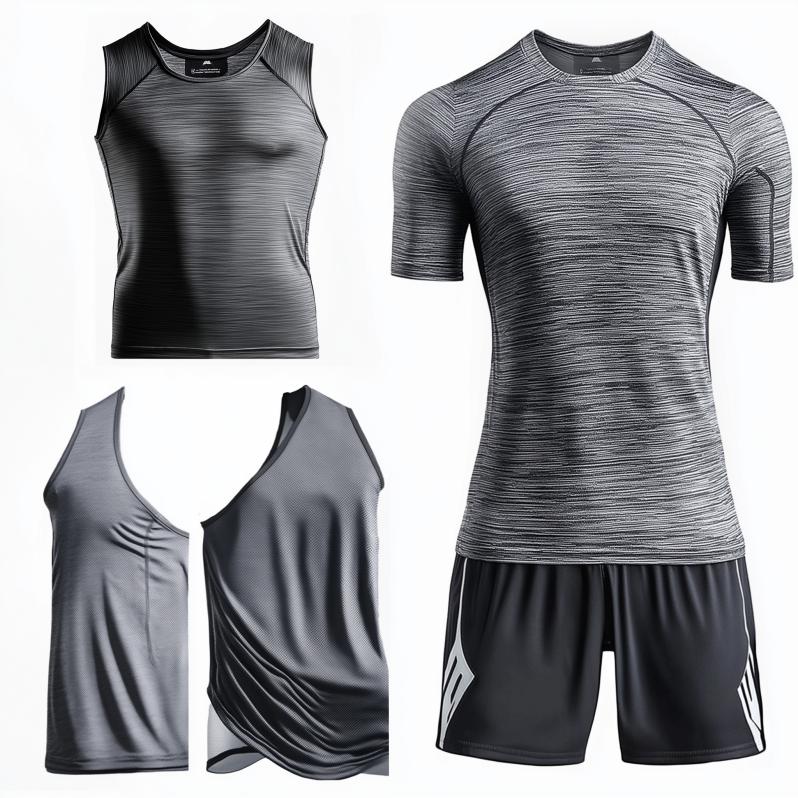
| Athletic wear stretch fabrics | Stable recovery run after run, for sports and active apparel |
| Medical elastic bands | Controlled tension in braces, bandages and support garments |
| Lingerie and undergarments | Soft hand with durable stretch and repeatable comfort |
| Technical textiles | Elastic components for interiors and industrial uses |
| Stretchable fashion fabrics | Versatile bases for outerwear and accessories |
One platform covering several of these reduces sourcing complexity and lets planners schedule across categories instead of across machines.
Energy and the cost of stopping
The RSE 4-1 is developed with power draw in mind, so throughput gains do not arrive with a matching utility bill. Lower consumption reduces cost per metre produced.
The less obvious saving is in starts and stops. Every stop-start cycle wears components, and over a season that wear shows up as spare-parts spend rather than as a line on the energy bill. Fewer interruptions protects both numbers at once.
If you are choosing, and if you are not
If your losses are concentrated in winding waste, rework on elastic articles, or long changeovers between SKUs, then this platform addresses the cause directly, and a recipe-driven setup is the part that pays back first.
If your bottleneck is upstream in warping or in yarn quality, a faster knitting machine will not recover it – it will surface the problem sooner and at higher cost. Check your creel, tension and static control before attributing the loss to knitting speed. Replacement elements for either side of the line are listed on the group warp knitting spare parts pages.
Installation, training and service
Installation comes with training delivered in several formats so a team can reach steady state without waiting on one visiting engineer. After-sales teams operate locally in Turkey, India, Vietnam, Indonesia and the United States, with more locations in progress.
When you make contact, send your fabric specifications and throughput targets rather than a general enquiry. Those two things are what a configuration, a training plan and a service package are built from, and sending them first removes a full round of back-and-forth.
Frequently Asked Questions
What does the RSE 4 machine actually change on an elastic line?
Three things: uniform loop formation held at speed, so rework rates stay predictable; electronically regulated take-up that holds winding tension with almost no edge or core waste; and inline laser and camera monitoring that catches faults while they are still traceable. Together they affect yield and downstream handling more than headline speed does.
Why does winding waste matter more than it looks?
Losses at roll start and roll end compound at every downstream stage. Rolls with consistent tension move through dyeing, coating and cutting with fewer disruptions and pack denser for shipping. If your scrap is concentrated at the ends of rolls rather than spread through the run, the cause is take-up control and it is fixable at the machine.
What fabrics is this platform used for?
Athletic wear stretch fabrics, medical elastic bands such as braces, bandages and support garments, lingerie and undergarments, elastic components for technical textiles and interiors, and stretchable fashion fabrics. Running several of these on one platform simplifies sourcing and lets planners schedule across categories rather than across machines.
Will a faster machine fix my output problem?
Only if the loss is in knitting. If the bottleneck sits upstream in warping, yarn quality or static control, a faster knitting machine surfaces the problem sooner and at higher cost rather than solving it. Check creel, tension and static control first, then look at knitting speed.
What support is available after installation?
Installation is paired with training in several formats so a team is not dependent on a single commissioning visit. After-sales teams operate locally in Turkey, India, Vietnam, Indonesia and the United States, with additional locations in progress.

Hey, I’m Vincent!
Solving complex challenges with precision and creativity in the warp knitting industry. Passionate about advancing textile engineering and turning innovative ideas into reality. Shaping the future of warp knitting.


