



Terry Warp Knitting Machine: What the Third Guide Bar Buys You

A terry warp knitting machine in our range is a tricot machine with three guide bars and compound needles. The third bar is the point of the design: it gives a third yarn system that can be shogged independently of the other two, which is what makes terry structures and their surface variations programmable rather than fixed.
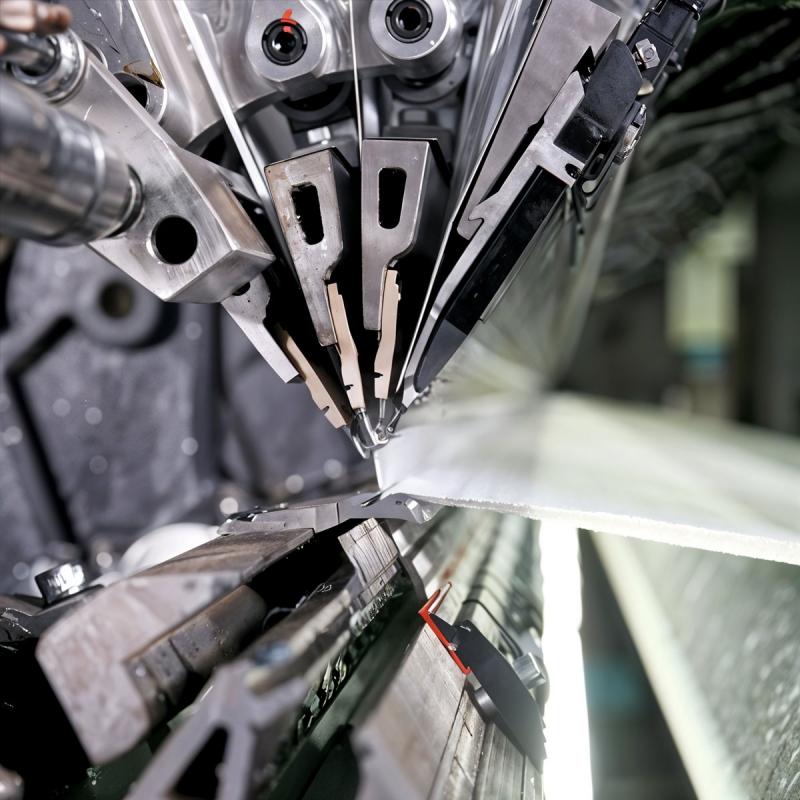
What the third guide bar actually changes
Each guide bar moves on its own and can shog a different distance. With two bars you are largely deciding a ground structure. With three, one yarn system is free to build surface while the others hold the ground, so pattern and texture become settings rather than a rebuild. For a plant that runs several terry articles, that is the difference between a changeover and a re-tooling.
The needle side matters as much as the bars. These machines run compound needles, where the hook is closed by an element that slides rather than by a latch that pivots. If you are specifying elements or planning replacements, our overview of warp knitting needle types covers the family, and the general tricot knitting machine page covers the platform this terry configuration is built on.
Holding tension, which is where terry quality lives
Terry constructions punish tension drift, because an uneven surface is visible in a way that a flat fabric hides. Two systems address that. Take-up is electronically controlled, holding fabric tension through the run rather than only at the start. Let-off works with each warp beam, so yarn tension is managed per beam instead of being averaged across the machine — which is the point when different bars carry different yarns doing different jobs.
If you want to understand how the delivery side is configured across our range, the let-off system and EL system pages describe the mechanical and electronic options respectively.
Detection and operator control
The machine carries an integrated monitoring system using lasers and cameras to check fabric during production, so a fault stops the machine instead of filling a roll and being discovered at inspection. That approach is described in more detail on our detect-scan system page.
Operation runs through the GrandStar® COMMAND SYSTEM, with a screen built for adjusting settings quickly rather than for demonstrating features. On a three-bar machine that matters more than it sounds: the number of parameters an operator can change goes up with the number of yarn systems, and an interface that makes those changes slow turns into lost production every changeover.
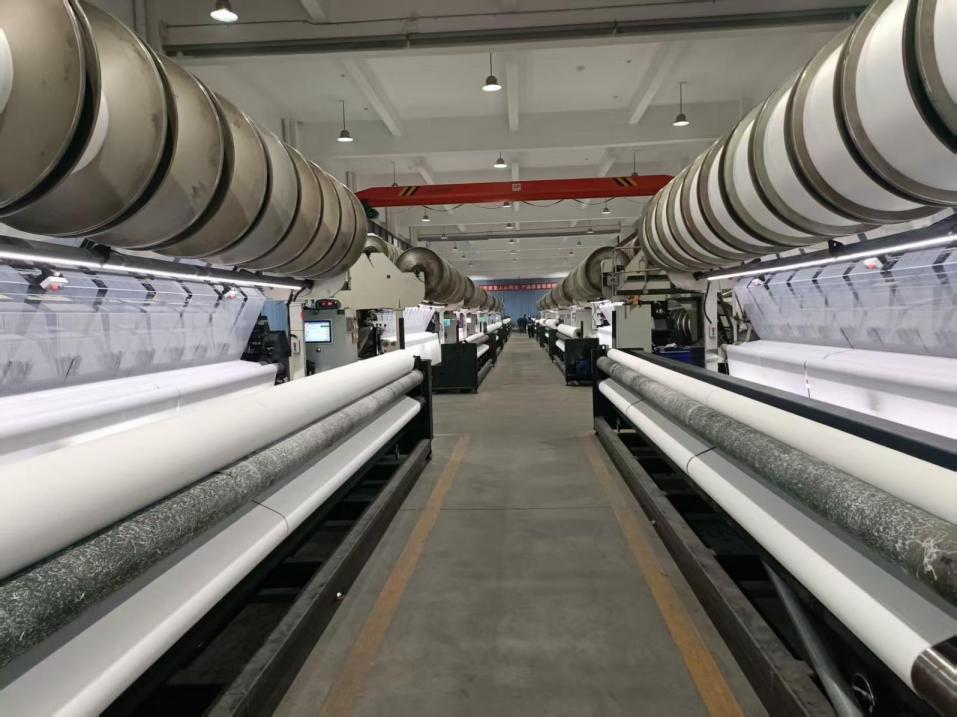
Where terry warp-knitted fabric ends up
Terry is bought for two properties, softness and absorbency, and those properties sell into more places than towelling.
- Home textiles — towelling, bedding and upholstery, where a consistent surface across a batch is what the buyer inspects. See home textiles.
- Apparel — lightweight, breathable fabrics where hand decides whether a design house adopts the material.
- Sportswear — moisture handling next to the skin. See sports textiles.
- Technical uses — automotive, medical and construction applications that need durability under conditions ordinary textiles do not face.
Across all of them the recurring requirement is batch-to-batch consistency rather than peak speed. Customers reorder against a sample; if the second batch feels different from the first, the specification argument is lost regardless of how fast it was produced.
Service coverage and how to start a specification
After-sales teams are in place in Turkey, India, Vietnam, Indonesia and the USA, with more locations planned. Where there is no local team, support begins as real-time online guidance and engineers are dispatched when the fault needs hands on it. Installation and operator training are part of the delivery, not an extra to be negotiated afterwards.
To get a useful configuration proposal, send three things through our contact page: a sample or specification of the terry fabric you need, the yarns you intend to run, and the roll width your customers buy. Commercial terms and the wider Grand Star range are handled at grandstarcn.com. If your programme turns out to be flat rather than terry, the tricot warp knitting machine range is the better starting point.
Frequently Asked Questions
What is a terry warp knitting machine?
In our range it is a tricot machine built with three guide bars and compound needles. The third guide bar provides an additional independently shogged yarn system, which is what allows terry surface structures and their variations to be set as a programme rather than built into fixed tooling.
Why does terry knitting need three guide bars?
Each guide bar moves independently and can shog a different distance. Two bars mostly define a ground structure; a third frees one yarn system to build surface while the others hold the ground. For a plant running several terry articles, that turns a re-tooling job into a changeover.
How is fabric tension controlled?
Take-up is electronically controlled so tension is held through the run, and let-off works with each warp beam so yarn tension is managed per beam rather than averaged across the machine. That per-beam control matters when different guide bars carry different yarns doing different jobs.
How are defects caught during production?
An integrated monitoring system with lasers and cameras checks fabric during production so a problem stops the machine rather than filling a roll that fails at inspection. Operators work through the GrandStar COMMAND SYSTEM screen to adjust settings without a long stop.
Which industries buy warp-knitted terry fabric?
Home textiles including towelling, bedding and upholstery; apparel where softness and breathability matter; sportswear for moisture handling; and technical uses in automotive, medical and construction. Batch-to-batch consistency is the common requirement, since customers reorder against an approved sample.

Hey, I’m Vincent!
Solving complex challenges with precision and creativity in the warp knitting industry. Passionate about advancing textile engineering and turning innovative ideas into reality. Shaping the future of warp knitting.


