



Tricot Machine Technology for Car Interior Decoration: Flexibility and Efficiency Explained

Tricot Machine for Car Interior Decoration is a practical solution for automotive textiles that must look premium and run efficiently at scale. At Grand Star Technology, we design tricot warp-knitting platforms for mills supplying interior-facing fabrics such as seat surfaces and headliners, where stable appearance and repeatable structure are non-negotiable.
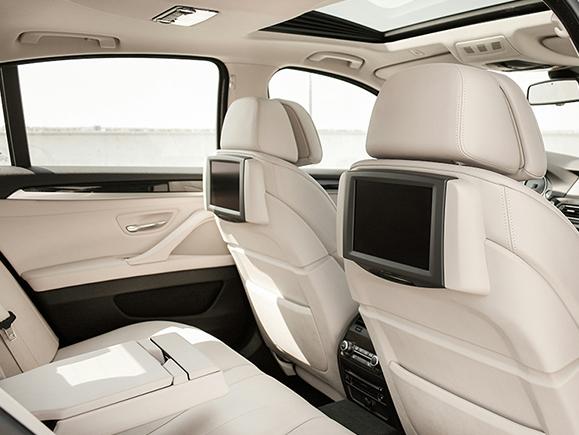
Interior textiles matter because the “canvas” is large. Industry references commonly cite an estimate of about 45 m² of textile material used for a car’s interior trim, spanning areas like seating, headliners, side panels, carpets, and trunk zones. When so many square meters are involved, small gains in quality stability and line efficiency can translate into meaningful cost and delivery improvements.
Why Car Interiors Reward Warp-Knitted Flexibility
Automotive decoration sits at the intersection of design and durability. In the automotive sector, warp-knitting technology providers highlight interior categories such as seats and headliners because the fabric must deliver comfort and aesthetics while meeting demanding performance expectations.
Lifecycle pressure is real. A technical upholstery reference notes an average seat-cover life of about five years, which helps explain why abrasion behavior, UV resistance, and long-term appearance are always in focus. If you can adjust structure and surface effects without sacrificing process stability, you can respond faster to OEM styling updates while keeping production predictable for your own factory.
What Tricot Technology Really Does
Tricot is a type of warp knitting. In warp knitting, many yarn ends run in the fabric length direction, and the machine forms a course across the full width in each cycle. This “full-width, simultaneous stitch formation” is one reason warp knitting is widely used in industrial applications where both speed and consistency matter.
Education material from North Carolina State University explains that fabric structures are connected because yarn ends “shog” between needles. In plain words, the guide bars move from one needle position to another to link neighboring columns of loops. That controlled movement is how patterns and fabric behavior are engineered—not guessed.
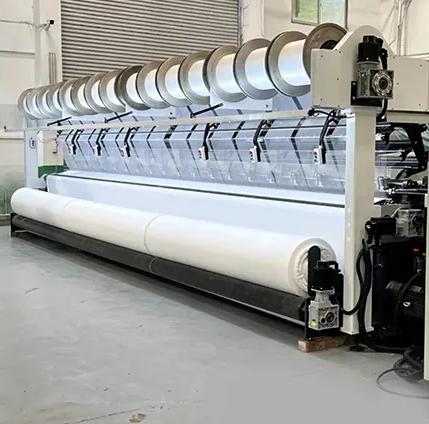
Guide Bars and Shogging: A Simple Mental Model
Shogging is the sideways movement of a guide bar, parallel to the needle bar. Combined with the guide bar’s swing, it creates overlaps and underlaps that define loop geometry. Teaching resources describe how the timing and extent of each shog can be controlled by pattern systems, enabling different constructions from the same machine platform.
Our Tricot Machine for Car Interior Decoration Platform
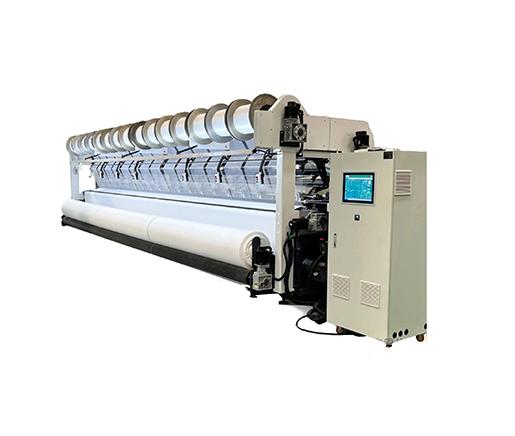
A Tricot Machine for Car Interior Decoration must balance design freedom with mechanical discipline. On our four-guide-bar platform, the knitting elements include an individual needle bar with compound needles, plus dedicated slider and sinker bars for accurate loop control. Carbon-fiber-reinforced composite bars increase rigidity and help reduce vibration, supporting consistent quality at industrial speed.
For production planning, flexibility should also be physical. Our standard warp-beam support uses four free-standing positions (32-inch beams) with optional 40-inch configurations, so mills can align yarn logistics with target articles. For wide interior fabrics, commonly selected working widths include 7366 mm, 8128 mm, and 8636 mm—supporting efficient batching and wide-roll downstream processes.
✔Four guide bars expand pattern range without forcing a new machine concept
✔Widely used widths support high output per roll for lamination-oriented workflows
✔Stable, rigid knitting elements help protect appearance across long runs
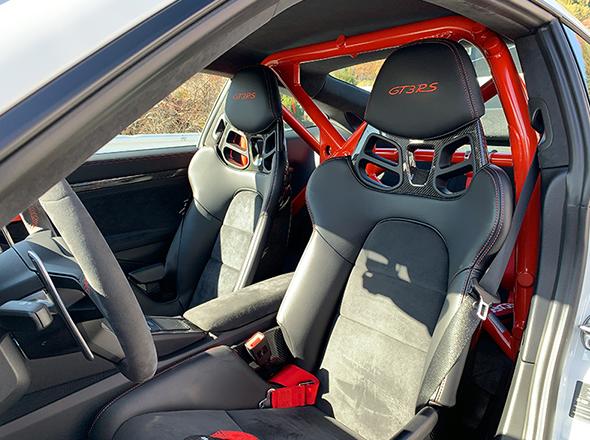
Quality Control Built Into Every Meter
Automotive customers do not buy “samples.” They buy repeatable meters. Integrated monitoring helps protect that repeatability. Our platform includes Laserstop monitoring and an integrated camera system for real-time fabric inspection, so faults can be seen early rather than discovered after finishing or cutting. The goal is simple: reduce wasted output and avoid shipping risk.
Tension control is equally important. Each warp beam position can use an electronically controlled let-off drive, and the fabric take-up is electronically regulated by a geared motor. In certain configurations, multiple rollers are used to keep take-up tension more uniform across the width, supporting steadier GSM and surface appearance.
✔Early detection reduces roll-to-roll surprises at the finishing stage
✔Electronic let-off and take-up support more consistent fabric appearance
✔Uniform tension supports cleaner coating and foam-lamination results
Efficiency You Can Plan Around
Efficiency is not only headline RPM. It is stable output you can schedule. Our four-bar platform lists typical knitting performance around 2000–2600 rpm, designed to combine productivity with controlled running.
Patterning capability is part of efficiency because it affects how quickly you can respond. The standard N-drive uses three pattern discs, with an optional EL-drive system that allows guide bars to shog up to 50 mm, or up to 80 mm in the extended option. This supports faster pattern development and smoother change management when a customer requests a new texture or a different functional zone—without turning every update into a disruption.
Plant integration should be straightforward. Electrical specifications include a 380V ±10% three-phase supply with a total connected load around 25 kVA. Operating conditions are specified around 25°C ±6°C, helping teams plan realistic workshop control during commissioning.
Training, Service, and a Clear Next Step
A machine delivers value only when operators can run it confidently. We provide installation and training in multiple formats, including on-site programs delivered in more than twenty countries. Dedicated local teams are available in key regions such as Turkey, India, and United States to speed up ramp-up and troubleshooting.
After commissioning, our after-sales coverage includes local service across Vietnam and Indonesia as well, with further expansion planned. Where a local team is not yet available, we start with real-time online support, then dispatch engineers if hands-on work is needed.
If you are preparing a new interior program, send us your fabric brief and finishing route. We will recommend a Tricot Machine for Car Interior Decoration configuration, align beam and width choices to your output plan, and match monitoring options to your quality standard. Contact our team to start a sample-development discussion and a production-focused feasibility review.

Hey, I’m Vincent!
Solving complex challenges with precision and creativity in the warp knitting industry. Passionate about advancing textile engineering and turning innovative ideas into reality. Shaping the future of warp knitting.


