



Warp Knitting Yarn Tensioner and the Wear Parts That Cause Downtime

Most unplanned stops on a warp knitting machine trace back to a short list of wear parts: yarn tensioners, needles, ceramic yarn guides, warping elements and the electronics that supervise them. Replacing those in the right order does more for uptime than a full overhaul, and a yarn tensioner that corrects tension on its own removes the single most common cause of breaks and defects.
This article walks through that list, explains what each part family does when it is healthy and what it does to the fabric when it is not, and shows where a self-correcting tensioner fits in the upgrade sequence.
Why a short stop costs more than the part
Warp knitting machines are built for high-speed output, so a stoppage removes a lot of fabric from the day very quickly. The direct cost is the metres not knitted. The indirect costs are the ones that hurt: delivery delays, yarn and fabric scrapped during the restart, and a customer who starts asking about second sources.
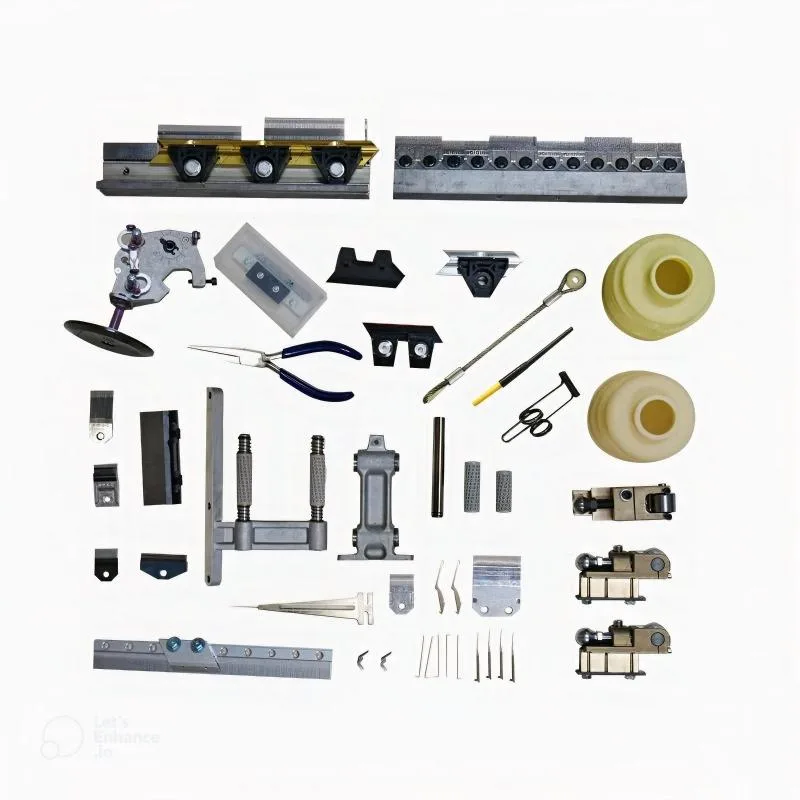
Every moving element has to perform for the machine to run at speed. Worn or outdated parts show up first as poor fabric quality and then as breakdowns and repeat repairs. The practical response is not to overhaul the whole line but to identify the components that wear fastest and replace them with better ones before they stop the machine.
Yarn tension control: where most breaks start
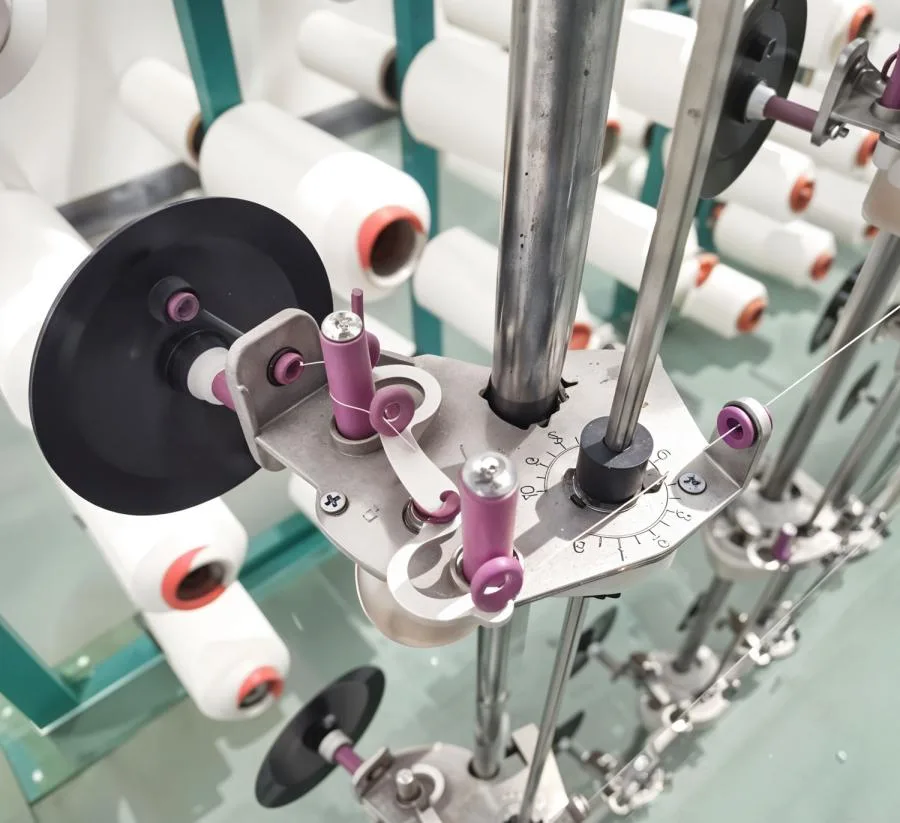
Uneven yarn tension is behind a large share of fabric defects, yarn breakage and the downtime that follows. On older set-ups the tension is held by mechanical means and corrected by hand, which means it is corrected late, after the defect has already been knitted in.
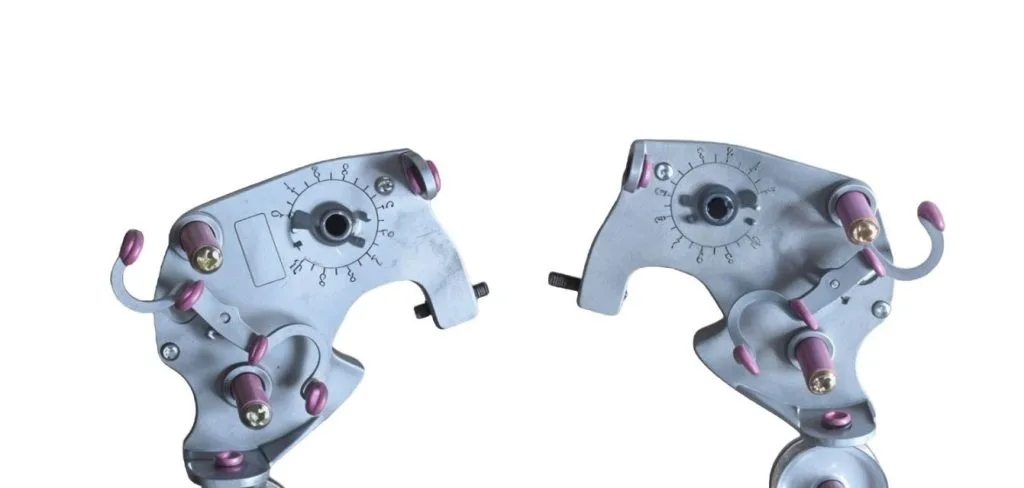
The KFD yarn tensioner replaces that mechanical method with a hydraulic system. Sensors detect small changes in yarn tension while the machine runs, and the hydraulic system corrects them immediately, without an operator stepping in. Because it does not rely on friction surfaces that wear down, it keeps its setting far longer than the mechanical devices it replaces.
What the mill sees from that change:
- Fewer yarn breaks. Threads are held at a steady tension, so fewer of them snap and less yarn is wasted.
- Fewer stops. Breaks and manual tension adjustments are the two events that halt the machine most often; removing both lifts output without touching speed.
- Cleaner fabric. Consistent tension produces more uniform fabric with fewer flaws, on technical fabrics and fashion textiles alike.
The tensioner works across different yarn types and patterns, so it does not have to be swapped when the style plan changes.
The other wear parts that stop a machine
A tensioner solves tension. The remaining stoppages come from the parts around it. For a full map of what sits where, see our guide to warp knitting machine parts; the four families below are the ones that decide uptime.
Knitting needles
Needles form the loops and build the structure of the fabric. At production speed a needle that bends or breaks stops the machine and usually damages the fabric already on the needle bar. Needles made to hold their accuracy over long runs make fine-detail knitting easier and keep the fabric surface consistent.
Ceramic yarn guides and warp beam ceramics
Ceramic elements carry the yarn through constant friction and heat. Heat-resistant, wear-resistant ceramics hold their shape and surface over time, so the yarn is not damaged on its way to the needles and the guide does not have to be replaced as often. A worn ceramic cuts yarn quietly, and the first symptom is often a break that gets blamed on the tensioner.
Mechanical parts
Beams, drives and the frame elements that carry high-speed movement and constant tension are the backbone of the machine. Wear-resistant mechanical parts reduce vibration and noise, which is pleasant for the operator but matters more for the fabric: a machine that stays in balance knits uniformly. The mechanical parts range covers this group.
Warping parts
Good warping is the first step to good knitting. Warping parts guide and feed the yarns evenly onto the beam and prevent tangles and tension problems before the yarn ever reaches the knitting machine. Consistent yarn alignment is needed for simple constructions as much as for complex designs, and a badly warped beam will defeat even a perfect tensioner downstream.
Electronic parts
Modern warp knitting machines run on electronic control. Electronic parts regulate motor speed, monitor temperature and make real-time adjustments through sensors and circuits. Reliable electronics reduce the risk of a stop that has nothing to do with the knitting elements at all, and they are what allow the tensioner above to act on what the sensors see.
A replacement order that follows the yarn
| Order | Part family | What its failure looks like on the fabric | Why this position |
|---|---|---|---|
| 1 | Yarn tensioner | Breaks, uneven stitch, streaks | Removes the most frequent stop and the most frequent defect at once |
| 2 | Ceramic yarn guides | Cut yarn, fuzz, breaks blamed on tension | A worn guide undoes the tensioner’s work before the yarn reaches the needles |
| 3 | Needles | Dropped stitches, holes, bar damage | Only after yarn delivery is stable can needle faults be read correctly |
| 4 | Warping parts | Beam-wide tension bands | Fixes faults that originate upstream of the knitting machine |
| 5 | Mechanical and electronic | Vibration, drift, unexplained stops | Larger jobs, planned into a maintenance window |
If your stop log is dominated by yarn breaks, then start with the tensioner and the ceramics and leave the rest for a planned shutdown. If stops are irregular and the fabric shows no tension pattern, then the electronics and drives are the first suspects and a tensioner upgrade will not move the numbers. This order does not apply to a machine being rebuilt from the frame up: on a rebuild every family is replaced together and sequencing is decided by lead time, not by stop frequency.
Choosing a parts partner
Grand Star Technology has worked in warp knitting since 2012 and produces the part families above, from electronic and mechanical components to warping parts, needles, ceramics and the KFD yarn tensioner. The useful test of a parts supplier is not the catalogue but the response when a machine is down: pre-sale advice on which part is actually at fault, and a fast answer when a replacement is needed mid-shift.
Durable parts also change the economics beyond uptime. Fewer replacements, fewer yarn breaks and less fabric waste add up to a line that uses less yarn and less energy for the same output.
Part specifications and machine configurations are listed on grandstarcn.com. If you want a second opinion on which family is causing your stops, send your stop log and fabric samples through our contact page and we will tell you where to start.
Frequently Asked Questions
What is a yarn tensioner on a warp knitting machine?
It is the device that holds each yarn at a set tension on its way to the needles. Older types use friction and are adjusted by hand; the KFD unit uses a hydraulic system with sensors that detects small changes and corrects them automatically while the machine runs.
Which parts of a warp knitting machine wear out first?
The elements in contact with moving yarn: tensioners, ceramic guides and needles. Warping components and the electronics and drives follow. Faults usually appear in the fabric before the machine actually stops, so the fabric is the earliest warning.
Why does my warp knitting machine keep breaking yarn?
The usual order of suspects is uneven tension, a worn ceramic guide that is cutting the thread, and then needle damage. Check them in that sequence; replacing needles while a guide is still worn only moves the break to the next shift.
Should I overhaul the whole machine or replace individual parts?
Start with individual wear parts in the order of your stop log. Most downtime comes from a few fast-wearing families, and swapping those restores output without a long shutdown. A full overhaul only makes sense when drives, frame and electronics are all due at the same time.

Hey, I’m Vincent!
Solving complex challenges with precision and creativity in the warp knitting industry. Passionate about advancing textile engineering and turning innovative ideas into reality. Shaping the future of warp knitting.


